Are you tired of counting sheep? Dive into the world of self-hypnosis for sleep and discover a natural way to improve your slumber! From techniques to routines, we’ve got you covered.
Self-hypnosis isn’t just for entertainment – it can be a powerful tool for enhancing your sleep quality. Let’s explore how you can harness this technique for a restful night’s sleep.
Introduction to Self-Hypnosis for Sleep
Self-hypnosis is a technique that allows individuals to enter a state of deep relaxation and focused attention, similar to being in a trance. It can be used to improve sleep by quieting the mind, reducing stress, and promoting calmness before bedtime.Using self-hypnosis as a natural sleep aid has numerous benefits. It can help individuals fall asleep faster, stay asleep longer, and improve the overall quality of their sleep.
By tapping into the power of the subconscious mind, self-hypnosis can address underlying issues that may be contributing to sleep disturbances.Examples of situations where self-hypnosis can be effective for sleep include individuals struggling with insomnia, anxiety-related sleep problems, or difficulty unwinding after a long day. By practicing self-hypnosis regularly, individuals can retrain their minds to relax and prepare for restful sleep each night.
Techniques for Self-Hypnosis
Self-hypnosis can be a powerful tool to improve sleep quality by relaxing the mind and body before bedtime. There are various techniques you can practice to enhance your self-hypnosis experience specifically tailored for better sleep.
Progressive Muscle Relaxation
- Find a comfortable position and close your eyes.
- Starting from your toes, tense each muscle group for a few seconds, then release the tension.
- Work your way up through your body, focusing on each muscle group, and feel the relaxation spreading.
Guided Imagery
- Visualize peaceful and calming scenes, like a serene beach or a tranquil forest.
- Engage all your senses in the visualization, imagining the sights, sounds, and smells of the peaceful place.
- Allow yourself to fully immerse in the imagery and let go of any tension or stress.
Deep Breathing Exercises
- Take slow, deep breaths in through your nose, hold for a few seconds, and exhale slowly through your mouth.
- Focus on the rhythm of your breath and the sensation of relaxation with each exhale.
- Repeat this deep breathing exercise for several minutes to calm your mind and body.
Positive Affirmations
- Choose positive statements related to sleep and relaxation, such as “I deserve a restful night’s sleep” or “My mind and body are calm and peaceful.”
- Repeat these affirmations silently or out loud to reinforce positive thoughts and beliefs before sleep.
- Allow these affirmations to seep into your subconscious mind for a restful night’s sleep.
Remember that consistency is key when practicing self-hypnosis for sleep. Make it a nightly routine to reap the full benefits of these techniques.
Creating a Self-Hypnosis Routine
To effectively incorporate self-hypnosis into your sleep routine, it is essential to establish a consistent and conducive environment for the practice. By setting the right mindset and following a structured routine, you can optimize the benefits of self-hypnosis for better sleep quality.
Setting the Environment and Mindset
Creating a peaceful and relaxing environment is crucial for successful self-hypnosis sessions. Find a quiet space where you won’t be disturbed and dim the lights to promote a sense of calmness. Consider using soothing music or nature sounds to enhance relaxation.
- A comfortable position: Lie down or sit in a comfortable position to avoid distractions and promote relaxation.
- Visualization techniques: Use imagery of a peaceful place or a calming scenario to help induce a state of relaxation.
- Positive affirmations: Incorporate positive affirmations related to sleep and relaxation to reinforce a positive mindset.
- Deep breathing exercises: Practice deep breathing to relax the body and mind before starting the self-hypnosis routine.
Creating a calming atmosphere and adopting a positive mindset are key elements in enhancing the effectiveness of self-hypnosis for sleep.
Frequency and Duration of Self-Hypnosis Sessions
Consistency is key when it comes to self-hypnosis for sleep. Aim to practice self-hypnosis at the same time each day to establish a routine that signals to your mind and body that it’s time to wind down and prepare for sleep.
- Frequency: Consider practicing self-hypnosis for sleep daily to reinforce the habit and maximize its benefits over time.
- Duration: Start with sessions lasting around 20-30 minutes and adjust based on your personal preferences and response to the practice.
- Adaptation: Be open to adapting your self-hypnosis routine based on what works best for you and your sleep patterns.
Combining Self-Hypnosis with Other Sleep Strategies
Self-hypnosis can be a powerful tool to enhance the effectiveness of other sleep improvement strategies. By combining self-hypnosis with relaxation techniques and sleep hygiene practices, individuals can create a comprehensive approach to improve their sleep quality.
Integrating Self-Hypnosis into a Comprehensive Sleep Improvement Plan
- Begin your bedtime routine with relaxation techniques such as deep breathing or progressive muscle relaxation to prepare your mind and body for self-hypnosis.
- Use self-hypnosis to reinforce positive sleep affirmations and visualize yourself entering a deep and restful sleep state.
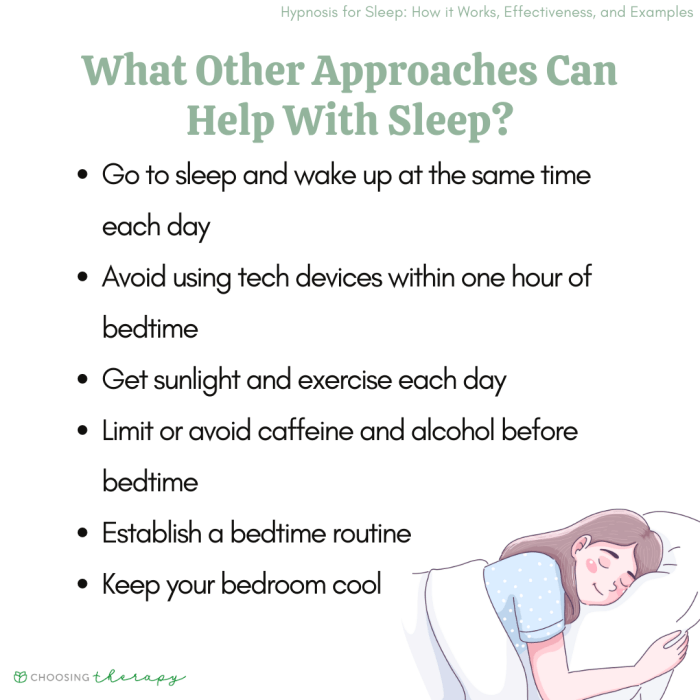
- Incorporate sleep hygiene practices like maintaining a consistent sleep schedule, creating a comfortable sleeping environment, and avoiding stimulants before bedtime to support the effects of self-hypnosis.
Challenges and How to Overcome Them
- Challenge: Difficulty maintaining focus during self-hypnosis sessions.
- Solution: Practice mindfulness techniques to improve concentration and stay present during self-hypnosis exercises.
- Challenge: Feeling skeptical about the effectiveness of self-hypnosis.
- Solution: Start with small goals and track your progress to build confidence in the benefits of self-hypnosis for sleep improvement.
- Challenge: Struggling to establish a consistent self-hypnosis routine.
- Solution: Set specific bedtime rituals that incorporate self-hypnosis practices and gradually increase the frequency to make it a habit.
Health Eczema and Sleep Quality
Eczema, a common skin condition characterized by red, itchy patches on the skin, can significantly impact sleep quality. The discomfort and itching caused by eczema can make it challenging for individuals to fall asleep and stay asleep, leading to sleep disturbances and overall poor sleep quality.
Managing Eczema for Better Sleep
- Keep skin moisturized: Using gentle moisturizers regularly can help soothe the skin and reduce itching, promoting better sleep.
- Avoid triggers: Identify and avoid triggers that worsen eczema symptoms, such as certain fabrics, soaps, or environmental factors.
- Follow a skincare routine: Establishing a consistent skincare routine can help manage eczema and minimize flare-ups that may disrupt sleep.
Using Self-Hypnosis to Improve Sleep with Eczema
Self-hypnosis can be a powerful tool for individuals with eczema to improve their sleep patterns by promoting relaxation and reducing stress, which can exacerbate eczema symptoms. By incorporating self-hypnosis techniques into their bedtime routine, individuals can create a sense of calm and ease that can aid in falling asleep and staying asleep.
Techniques for Self-Hypnosis to Address Sleep Issues Related to Eczema
- Progressive muscle relaxation: Guided self-hypnosis sessions focusing on progressive muscle relaxation can help individuals with eczema release tension and promote relaxation before bedtime.
- Visual imagery: Visualization techniques during self-hypnosis can create a peaceful mental image to distract from eczema-related discomfort and promote a restful state for sleep.
- Positive affirmations: Incorporating positive affirmations related to skin health and overall well-being can help shift mindset and reduce stress associated with eczema, improving sleep quality.
Dental Care and Sleep Quality
Proper dental care is not only essential for maintaining healthy teeth and gums but can also have a significant impact on the quality of your sleep. The connection between dental health and sleep quality lies in the prevention of conditions like sleep apnea, teeth grinding, and other oral issues that can disrupt sleep patterns.
Benefits of Maintaining Good Oral Health for Better Sleep
- Preventing Sleep Apnea: Poor oral health can lead to obstructive sleep apnea, a condition where the airway is partially or completely blocked during sleep, causing interruptions in breathing. By maintaining good oral hygiene, you can reduce the risk of developing sleep apnea and improve your sleep quality.
- Reducing Teeth Grinding: Bruxism, or teeth grinding, often occurs during sleep and can be a result of stress or misalignment of the teeth. Taking care of your teeth through regular dental check-ups and proper oral hygiene can help prevent teeth grinding, leading to a more restful sleep.
Incorporating Self-Hypnosis into Your Bedtime Routine
Self-hypnosis can be a powerful tool to enhance your sleep quality by relaxing your mind and body before bedtime. Here are some tips on how to incorporate self-hypnosis into your nightly routine:
- Find a quiet and comfortable space where you can relax without distractions.
- Practice deep breathing exercises to calm your mind and body.
- Visualize a peaceful and serene place, allowing yourself to let go of any tension or stress.
- Repeat positive affirmations or soothing phrases to promote relaxation and prepare your mind for sleep.
Health Depression and Sleep Patterns
Depression can have a significant impact on sleep patterns, leading to difficulties falling asleep, staying asleep, or experiencing restful sleep. The relationship between depression and sleep disturbances is complex, with each condition exacerbating the other in a vicious cycle.
Using Self-Hypnosis to Manage Sleep Problems
Self-hypnosis can be a useful tool for individuals struggling with sleep problems associated with depression. By harnessing the power of the mind, self-hypnosis techniques can help calm the racing thoughts and anxiety that often accompany depression, promoting relaxation and better sleep quality.
- Visualization: Using guided imagery during self-hypnosis sessions can help create a peaceful mental environment conducive to sleep. Visualizing calming scenes or scenarios can quiet the mind and prepare the body for rest.
- Positive Affirmations: Incorporating positive affirmations into self-hypnosis routines can help rewire negative thought patterns associated with depression. By repeating affirmations related to sleep and relaxation, individuals can cultivate a more positive mindset conducive to better sleep.
- Progressive Muscle Relaxation: Progressive muscle relaxation techniques can be integrated into self-hypnosis practices to release physical tension and promote deep relaxation. By systematically tensing and relaxing muscle groups, individuals can signal to the body that it is time to unwind and prepare for sleep.
Improving Sleep Quality with Self-Hypnosis
Self-hypnosis techniques tailored to individuals with depression can help improve sleep quality by addressing underlying emotional and psychological factors contributing to sleep disturbances. By incorporating self-hypnosis into a bedtime routine, individuals can establish a sense of control over their sleep patterns and experience greater restfulness.
- Deep Breathing Exercises: Deep breathing exercises can be combined with self-hypnosis to promote relaxation and reduce anxiety before bedtime. By focusing on slow, rhythmic breathing patterns, individuals can calm the nervous system and prepare the body for sleep.
- Self-Soothing Techniques: Self-hypnosis can empower individuals to develop personalized self-soothing techniques that promote feelings of safety and comfort. By engaging in self-soothing practices during hypnosis, individuals can create a sense of security conducive to restful sleep.
- Hypnotic Suggestions: Utilizing hypnotic suggestions tailored to improving sleep quality can help reprogram the subconscious mind to support healthy sleep patterns. By incorporating positive sleep-related suggestions during self-hypnosis sessions, individuals can reinforce their commitment to achieving restorative sleep.
Self-Hypnosis for Pain Management and Better Sleep
Self-hypnosis can be a powerful tool for managing pain and improving sleep quality. By tapping into the subconscious mind, individuals can learn to control and reduce their perception of pain, which can in turn lead to better sleep. The relaxation and focus techniques used in self-hypnosis can help calm the mind and body, making it easier to fall asleep and stay asleep throughout the night.
Utilizing Self-Hypnosis for Pain Management
Self-hypnosis techniques can be specifically tailored to target pain relief and promote better sleep. By focusing on relaxation, visualization, and suggestion, individuals can effectively reduce pain-related sleep disturbances. Here are some specific self-hypnosis techniques that can be helpful:
- Deep Breathing: Incorporating deep breathing exercises into self-hypnosis can help relax the body and mind, reducing tension and pain.
- Progressive Muscle Relaxation: By systematically tensing and relaxing different muscle groups, individuals can release physical tension and alleviate pain.
- Guided Imagery: Visualizing a peaceful and pain-free environment during self-hypnosis can distract the mind from pain sensations and promote relaxation.
- Positive Affirmations: Repeating positive affirmations related to pain relief and restful sleep can reprogram the subconscious mind for better outcomes.
Role of Self-Hypnosis in Pain-Related Sleep Disturbances
Self-hypnosis can play a crucial role in breaking the cycle of pain-related sleep disturbances. By addressing the underlying causes of pain and implementing self-hypnosis techniques, individuals can experience improved sleep quality and overall well-being. The ability to manage pain through self-hypnosis can lead to a more restful and rejuvenating sleep experience.
Benefits of Self-Hypnosis for Pain Management and Sleep
- Non-invasive and drug-free approach to pain relief.
- Promotes relaxation and reduces stress levels.
- Enhances overall sleep quality and duration.
- Empowers individuals to take an active role in their pain management and sleep routines.
Final Review
Say goodbye to restless nights and hello to sweet dreams with the help of self-hypnosis. Embrace a new approach to improving your sleep and wake up feeling refreshed and rejuvenated.
Q&A
Can self-hypnosis really help with sleep?
Absolutely! Self-hypnosis can be a valuable tool in improving sleep quality by promoting relaxation and easing the mind into a restful state.
How long does it take to see results from using self-hypnosis for sleep?
Results can vary, but with regular practice, many people notice improvements in their sleep patterns within a few weeks of starting a self-hypnosis routine.
Is self-hypnosis safe for everyone to try?
While self-hypnosis is generally safe, it’s important to consult with a healthcare professional if you have any underlying medical conditions or concerns before starting a self-hypnosis practice.