
Embark on a journey to uncover the causes of eczema flare-ups, diving deep into the triggers and remedies in an engaging and informative exploration.
From the impact on mental well-being to the role of detoxification, this discussion sheds light on the various factors influencing eczema symptoms.
Health Eczema
Eczema is not just a skin condition; it can also have a significant impact on overall health. The relationship between eczema and mental well-being is particularly noteworthy, as the constant itching, discomfort, and visible symptoms can take a toll on a person’s emotional state.
Impact on Mental Well-being
Eczema flare-ups can lead to stress, anxiety, and even depression due to the chronic nature of the condition. The constant itching and discomfort can disrupt sleep patterns, affect self-esteem, and cause social withdrawal. It is essential to address the emotional aspect of eczema along with the physical symptoms for holistic management.
Ways to Manage Symptoms Holistically
- Practice stress-reducing techniques such as meditation, yoga, or deep breathing exercises to help manage eczema flare-ups triggered by stress.
- Follow a healthy diet rich in anti-inflammatory foods like fruits, vegetables, and omega-3 fatty acids to support skin health and reduce inflammation.
- Use gentle skincare products and moisturizers to maintain skin hydration and prevent irritation.
- Avoid known triggers such as harsh chemicals, certain fabrics, or extreme temperatures that can worsen eczema symptoms.
- Stay hydrated, get enough sleep, and exercise regularly to support overall health and boost the immune system.
Mind Body Spirit
Eczema flare-ups can often be triggered or exacerbated by various factors, including stress and emotional states. The mind-body connection plays a significant role in managing eczema symptoms and improving overall skin health.Spiritual practices can offer a holistic approach to managing eczema symptoms by promoting relaxation, reducing stress, and enhancing overall well-being. Examples of spiritual practices that may help alleviate eczema symptoms include meditation, yoga, tai chi, and mindfulness exercises.
Stress Management and Eczema
Stress is known to be a common trigger for eczema flare-ups, as it can weaken the immune system and increase inflammation in the body. By incorporating stress management techniques into daily routines, individuals with eczema can potentially reduce the frequency and severity of flare-ups.
- Practicing deep breathing exercises
- Engaging in regular physical activity
- Getting an adequate amount of sleep
- Seeking support from friends, family, or a therapist
- Exploring relaxation techniques such as progressive muscle relaxation or guided imagery
Detoxification
Detoxification plays a crucial role in helping individuals with eczema manage their condition effectively. By eliminating toxins from the body, detox methods can help reduce eczema flare-ups and improve overall skin health.
Methods for Detoxification
- Hydration: Drinking plenty of water helps flush out toxins from the body and keep the skin hydrated.
- Healthy Diet: Incorporating foods rich in antioxidants, such as fruits and vegetables, can support the body’s detoxification process.
- Sweating: Engaging in activities like exercise or using a sauna can help release toxins through sweat.
- Herbal Teas: Drinking herbal teas like dandelion or milk thistle can support liver detoxification.
Importance of Clean Diet
A clean diet is essential for detoxifying the body and reducing eczema flare-ups. Avoiding processed foods, sugar, and dairy products can help decrease inflammation in the body and promote healing of the skin.
Dental Care
Maintaining good oral health is not only important for your teeth and gums but can also play a role in managing eczema symptoms. The link between oral health and eczema exacerbation is often overlooked, but it can have a significant impact on overall skin health.
Role of Proper Dental Hygiene
Proper dental hygiene is crucial for individuals with eczema as it helps reduce the risk of infection, which can trigger flare-ups. Brushing your teeth twice a day, flossing regularly, and visiting your dentist for routine check-ups can help keep your oral health in check. Additionally, using a fluoride toothpaste and mouthwash can help strengthen your teeth and gums, reducing the risk of oral infections that can worsen eczema symptoms.
Tips for Maintaining Good Oral Health
- Brush your teeth twice a day for at least two minutes each time.
- Floss daily to remove plaque and food particles between your teeth.
- Avoid sugary and acidic foods and drinks that can contribute to tooth decay.
- Stay hydrated by drinking plenty of water throughout the day.
- Visit your dentist regularly for check-ups and cleanings.
Back Pain
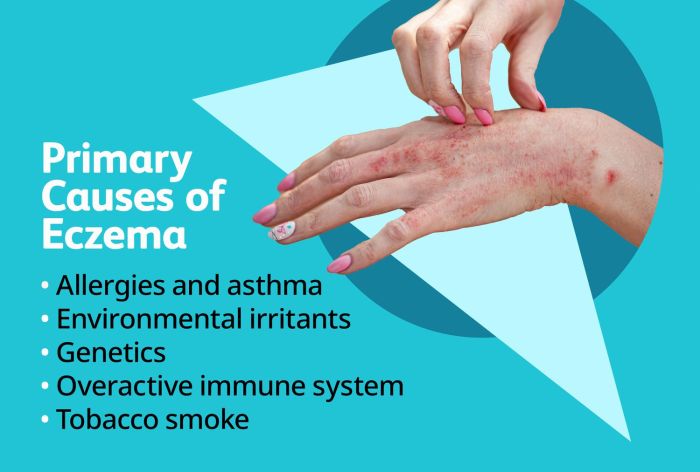
Back pain can be a common trigger for eczema flare-ups. The relationship between the two conditions lies in the body’s stress response. When experiencing back pain, the body releases stress hormones like cortisol, which can weaken the immune system and trigger inflammation, potentially leading to eczema flare-ups.
Managing Back Pain for Better Eczema Condition
To improve both back pain and eczema symptoms, it is essential to focus on managing back pain effectively. Here are some exercises and stretches that may help alleviate both back pain and eczema symptoms:
- Yoga: Practicing gentle yoga poses can help improve flexibility, strengthen muscles, and reduce stress, which can contribute to both back pain relief and eczema management.
- Pilates: Pilates focuses on core strength, stability, and flexibility, which can help support the spine and alleviate back pain while also promoting relaxation and stress reduction.
- Stretching: Incorporating stretching exercises for the back and legs can help reduce muscle tension, improve circulation, and alleviate back pain, which can indirectly benefit eczema symptoms.
- Strength Training: Building muscle strength, especially in the core and back muscles, can provide better support for the spine, reducing the risk of back pain and promoting overall well-being.
Health Asthma
Asthma and eczema are both chronic inflammatory conditions that can often coexist in individuals. Understanding the relationship between asthma and eczema flare-ups is crucial in managing symptoms effectively and improving overall quality of life.Managing asthma symptoms can also have a positive impact on eczema sufferers. This is because both conditions involve inflammation and immune system responses. By keeping asthma under control, it can help reduce the likelihood of eczema flare-ups and vice versa.
Common Triggers
- Airborne allergens such as pollen, dust mites, and pet dander can trigger both asthma and eczema symptoms.
- Respiratory infections like colds and flu can exacerbate asthma and eczema flare-ups.
- Stress and emotional factors can worsen both conditions, leading to increased inflammation and skin irritation.
- Exposure to irritants such as smoke, pollution, or harsh chemicals can also aggravate asthma and eczema symptoms.
Health Depression
Depression can have a significant impact on eczema flare-ups. The emotional stress and psychological burden associated with depression can weaken the immune system and trigger inflammation in the body, leading to exacerbation of eczema symptoms.
Importance of Mental Health Support
- Seeking professional help from therapists or counselors can provide valuable coping strategies and emotional support to manage both eczema and depression effectively.
- Joining support groups or online communities can help individuals feel less isolated and more understood, reducing feelings of anxiety and depression.
- Practicing mindfulness techniques, such as meditation or deep breathing exercises, can help calm the mind and reduce stress levels, potentially improving eczema symptoms.
Headaches Migraines
Headaches and migraines can have a significant impact on eczema symptoms. The stress and discomfort caused by these conditions can often trigger or worsen eczema flare-ups, leading to increased inflammation and itching.
Managing Stress
- Practice relaxation techniques such as deep breathing, meditation, or yoga to reduce stress levels.
- Engage in regular physical exercise to release endorphins and improve overall well-being.
- Ensure you get an adequate amount of sleep each night to support your body’s natural healing processes.
Dietary Considerations
- Avoid trigger foods that may contribute to both headaches and eczema, such as processed foods, dairy, gluten, and artificial additives.
- Incorporate anti-inflammatory foods like fruits, vegetables, and omega-3 fatty acids to support skin health and reduce inflammation.
- Stay hydrated and limit caffeine intake, as dehydration and caffeine withdrawal can both trigger headaches and eczema symptoms.
Pain Management
Effective pain management strategies play a crucial role in reducing eczema flare-ups. Addressing pain not only helps in alleviating discomfort but also contributes to improving the overall well-being of eczema patients. Here are some non-pharmacological approaches for pain management in individuals with eczema:
Stress Reduction Techniques
- Practice deep breathing exercises and mindfulness meditation to reduce stress levels, which can help in managing pain associated with eczema flare-ups.
- Engage in regular physical activity like yoga or tai chi to release endorphins, the body’s natural painkillers, and promote relaxation.
Topical Treatments
- Apply cold compresses or wet wraps to soothe itching and pain on affected skin areas.
- Use moisturizers and emollients to keep the skin hydrated and prevent dryness, which can exacerbate eczema-related pain.
Acupuncture and Acupressure
- Consider alternative therapies like acupuncture or acupressure to target specific trigger points and alleviate pain associated with eczema.
- These traditional Chinese medicine techniques can help in balancing the body’s energy flow and promoting overall well-being.
Sleep Snoring
Snoring can have a significant impact on the quality of sleep, which in turn can affect eczema flare-ups. It is important to understand how improving sleep habits and managing snoring can positively influence eczema symptoms.
Relationship between Sleep Quality and Eczema
Improving the quality of sleep can help reduce stress levels, which are known to trigger eczema flare-ups. When the body is well-rested, it is better equipped to handle inflammation and skin irritations associated with eczema.
Managing Snoring for Better Sleep
- Try sleeping on your side instead of your back to reduce snoring.
- Use nasal strips or a humidifier to keep airways open while sleeping.
- Avoid alcohol and heavy meals before bedtime, as they can worsen snoring.
- Consider seeking medical advice if snoring persists, as it could be a sign of a more serious condition.
Self Hypnosis
Self-hypnosis is a powerful technique that can be beneficial in managing eczema flare-ups. By tapping into the subconscious mind, individuals can learn to relax and reduce stress, which are common triggers for eczema outbreaks.
Benefits of Self-Hypnosis for Eczema
- Self-hypnosis can help individuals with eczema achieve a state of deep relaxation, which can in turn reduce inflammation and itching associated with flare-ups.
- By practicing self-hypnosis regularly, individuals can improve their overall mental well-being, leading to better stress management and potentially fewer eczema episodes.
- Self-hypnosis can also enhance the effectiveness of other eczema treatments, providing a holistic approach to managing the condition.
Self-Hypnosis Techniques for Eczema
- Progressive Muscle Relaxation: This technique involves tensing and relaxing different muscle groups in the body, promoting relaxation and reducing stress levels.
- Guided Imagery: Visualizing calming and soothing images can help individuals with eczema create a sense of peace and tranquility, potentially alleviating symptoms.
- Positive Affirmations: Using positive statements or affirmations during self-hypnosis can help individuals reframe negative thought patterns and promote a more positive mindset, which can be beneficial for managing eczema.
Contraceptives Birth Control
Contraceptives and birth control methods can have an impact on eczema symptoms due to their influence on hormonal changes in the body. It’s essential to understand how these changes may affect eczema flare-ups and choose suitable contraceptive methods for individuals with eczema.
Hormonal Changes and Eczema
Hormonal changes triggered by contraceptives can potentially worsen eczema symptoms in some individuals. Estrogen and progestin, the hormones found in many birth control methods, can lead to increased inflammation and skin sensitivity, making eczema more challenging to manage.
- It is important to consult with a healthcare provider before starting any contraceptive method to discuss how it may impact your eczema.
- Some individuals with eczema may find that certain types of contraceptives exacerbate their symptoms, while others may not experience any significant changes.
- Choosing a contraceptive method that suits your individual needs and health condition is crucial to minimize the risk of eczema flare-ups.
Mens Issues
Men with eczema may face specific challenges in managing their condition, as societal expectations and gender norms can impact their experiences with the skin condition. Men may feel pressure to appear tough and unaffected by skin issues, leading them to neglect proper skincare routines or seek medical help when needed. This can exacerbate eczema symptoms and affect their overall well-being.
Social Stigma and Mental Health
- Men may feel embarrassed or self-conscious about their eczema, especially if it is visible on their face or hands. This can lead to feelings of isolation and low self-esteem.
- Societal norms that discourage men from expressing vulnerability or seeking help for skin conditions can prevent them from receiving necessary treatment and support.
- It is important for men with eczema to prioritize self-care and mental health, seeking professional help if needed to cope with the emotional impact of the condition.
Skincare and Treatment Tips
- Men should establish a regular skincare routine using gentle products suitable for sensitive skin to help manage eczema flare-ups.
- Seeking advice from a dermatologist or healthcare provider can provide personalized treatment options and recommendations for managing eczema effectively.
- Avoiding triggers such as harsh chemicals, fragrances, and extreme temperatures can help prevent flare-ups and maintain skin health.
Mood Disorders
Mood disorders, such as depression and anxiety, can have a significant impact on eczema flare-ups. The relationship between mood disorders and eczema symptoms is complex and bidirectional, as one can exacerbate the other.
Impact of Mood Disorders on Eczema
- Mood disorders can weaken the immune system, making it harder for the body to fight inflammation and triggers that worsen eczema.
- Stress and anxiety can lead to increased inflammation in the body, triggering eczema flare-ups and making existing symptoms more severe.
- Depression can result in a lack of motivation to adhere to eczema treatment plans, leading to poor management of symptoms and potentially worsening the condition.
Managing Mood Disorders with Eczema Treatment
- Seeking therapy or counseling to address underlying emotional issues that may be contributing to mood disorders and exacerbating eczema symptoms.
- Practicing stress-reducing techniques such as mindfulness, meditation, yoga, or deep breathing exercises to help manage anxiety and prevent flare-ups.
- Engaging in regular physical activity to boost mood, reduce stress, and improve overall mental health, which can have a positive impact on eczema symptoms.
- Consulting with a healthcare provider to explore medication options for managing mood disorders alongside eczema treatment, if necessary.
Health and Fitness
Regular exercise plays a crucial role in managing eczema symptoms and improving overall well-being in patients. Physical activity can help reduce stress, boost immunity, and improve skin health.
Benefits of Exercise for Eczema Patients
- Exercise helps reduce stress levels, which can be a trigger for eczema flare-ups.
- Physical activity promotes better sleep patterns, essential for skin repair and regeneration.
- Improved circulation from exercise can enhance skin health and reduce inflammation.
- Regular workouts can boost immunity, helping the body fight off infections that may worsen eczema symptoms.
Critical Care
In cases of severe eczema flare-ups, critical care plays a vital role in managing and treating the condition effectively. Medical intervention may be necessary for individuals with eczema when the symptoms become severe and difficult to control with basic skincare routines alone. Here are some insights on critical care approaches for managing acute eczema episodes.
Importance of Medical Intervention
- Medical intervention becomes necessary when eczema flare-ups are severe, causing intense itching, pain, and inflammation that significantly impact the individual’s quality of life.
- Severe eczema flare-ups may lead to complications such as skin infections, which require immediate medical attention to prevent further issues.
- Doctors may prescribe corticosteroids, immunosuppressants, or other medications to help reduce inflammation, itching, and other symptoms associated with severe eczema.
Critical Care Approaches
- Moisturizing creams or ointments recommended by healthcare providers can help hydrate the skin and reduce dryness and itching.
- Wet dressings or bandages may be used to soothe inflamed skin and provide relief from itching and discomfort.
- In severe cases, phototherapy or light therapy may be recommended to help reduce inflammation and improve the overall condition of the skin.
- For individuals with severe eczema, systemic medications like oral corticosteroids or biologics may be prescribed to manage symptoms effectively.
Health Exercise
Regular exercise can have numerous benefits for individuals with eczema. Not only does physical activity contribute to overall well-being, but it can also positively impact skin health and eczema management. Engaging in eczema-friendly workout routines and activities can help reduce stress, improve circulation, and boost the immune system, all of which are beneficial for managing eczema symptoms.
Benefits of Exercise for Eczema
- Regular exercise can help reduce stress levels, which is a common trigger for eczema flare-ups.
- Improved circulation from physical activity can promote better skin health and faster healing of eczema patches.
- Exercise can boost the immune system, helping the body better combat inflammation associated with eczema.
- Engaging in eczema-friendly activities like swimming or yoga can provide relaxation and promote overall well-being.
Health Holistic
Holistic approach to treating eczema involves looking at the individual as a whole, addressing not only the physical symptoms but also the emotional and mental aspects that may contribute to flare-ups. By focusing on underlying causes and promoting overall well-being, holistic treatments aim to improve skin health from the inside out.Alternative therapies play a significant role in managing eczema symptoms by offering natural and non-invasive approaches to healing.
These may include acupuncture, herbal medicine, aromatherapy, and mind-body techniques like meditation and yoga. These therapies can help reduce inflammation, alleviate stress, and support the body’s natural healing processes.
Holistic Practices for Eczema Management
- Incorporating a healthy diet rich in anti-inflammatory foods such as fruits, vegetables, and omega-3 fatty acids can support skin health and reduce eczema flare-ups.
- Practicing stress-reducing techniques like meditation, deep breathing exercises, or tai chi can help manage emotional triggers that may worsen eczema symptoms.
- Using natural skincare products that are free of harsh chemicals and fragrances can prevent irritation and promote healing of the skin barrier.
- Seeking guidance from holistic practitioners such as naturopathic doctors, herbalists, or holistic dermatologists can provide personalized treatment plans tailored to individual needs.
Anti Aging
Eczema flare-ups can have a significant impact on the skin’s aging process. The inflammation and irritation caused by eczema can lead to skin damage, loss of elasticity, and premature aging. It is essential for individuals with eczema to take extra care of their skin to minimize these effects and maintain a youthful appearance.
Skincare Tips for Eczema Patients
- Avoid harsh soaps and cleansers that can strip the skin of its natural oils. Opt for gentle, fragrance-free products specifically formulated for sensitive skin.
- Moisturize regularly to keep the skin hydrated and prevent dryness, which can exacerbate eczema symptoms and contribute to aging.
- Protect your skin from the sun by using a broad-spectrum sunscreen with SPF 30 or higher, as UV rays can worsen eczema and accelerate skin aging.
- Avoid hot showers and baths, as they can further dry out the skin. Opt for lukewarm water and limit bathing time to prevent irritation.
- Consider incorporating anti-aging ingredients like retinol, hyaluronic acid, and vitamin C into your skincare routine, but always patch test first to ensure compatibility with your sensitive skin.
Anti-Aging Products for Sensitive Skin
- Look for gentle anti-aging creams and serums that are free of common irritants like fragrances, dyes, and preservatives.
- Opt for products with soothing ingredients like ceramides, niacinamide, and peptides to help repair the skin barrier and reduce inflammation caused by eczema.
- Consider using a hydrating facial oil or moisturizer to lock in moisture and improve skin texture without clogging pores or causing further irritation.
- Consult with a dermatologist or skincare specialist to find the best anti-aging products tailored to your specific skin concerns and eczema triggers.
Healthcare Systems
When it comes to managing eczema, individuals often encounter various challenges within healthcare systems. From long wait times to limited access to specialists, navigating the healthcare system can be overwhelming for those seeking optimal treatment for their skin condition. This highlights the importance of patient advocacy and awareness in improving eczema care.
Challenges in Healthcare Systems
- Long wait times for dermatology appointments can delay diagnosis and treatment.
- Limited access to specialists with expertise in eczema management may result in suboptimal care.
- Inadequate insurance coverage for medications and treatments can create financial barriers for patients.
- Lack of coordination between healthcare providers can lead to fragmented care and treatment plans.
Patient Advocacy and Awareness
- Empowering patients to advocate for themselves and seek second opinions can help ensure they receive the best care possible.
- Raising awareness about eczema within the healthcare system can lead to improved education and training for healthcare providers.
- Joining patient support groups and organizations can provide valuable resources and information for managing eczema.
- Participating in clinical trials and research studies can help advance treatment options for eczema patients.
Tips for Navigating Healthcare Systems
- Keep detailed records of your symptoms, triggers, and treatments to share with healthcare providers.
- Ask for referrals to dermatologists or allergists with experience in treating eczema.
- Stay informed about the latest treatment options and research developments in eczema care.
- Communicate openly and honestly with your healthcare team about your concerns and treatment preferences.
Health Hemorrhoids
Eczema and hemorrhoids are two different conditions that can both cause discomfort and irritation. Although they affect different parts of the body, there may be a potential relationship between eczema and hemorrhoids.When managing eczema symptoms, individuals may also benefit those dealing with hemorrhoids. This is because some of the strategies used to relieve eczema symptoms, such as keeping the skin moisturized and avoiding irritants, can also help alleviate discomfort associated with hemorrhoids.
Tips for Managing Eczema and Hemorrhoids Concurrently
- Keep the affected areas clean and dry to prevent further irritation.
- Avoid scratching or rubbing the skin, as this can worsen both conditions.
- Use gentle, fragrance-free skincare products to prevent irritation.
- Stay hydrated and maintain a fiber-rich diet to promote healthy bowel movements.
- Consult with healthcare providers to discuss appropriate treatment options for both eczema and hemorrhoids.
Final Thoughts
As we conclude our exploration, remember that understanding these causes is the first step towards effective management and relief from eczema flare-ups.
Question Bank
Can stress trigger eczema flare-ups?
Yes, stress is a common trigger for eczema flare-ups as it can weaken the immune system and exacerbate skin conditions.
How does detoxification help reduce eczema symptoms?
Detoxification can eliminate toxins that may contribute to eczema flare-ups, promoting overall skin health and reducing inflammation.
Is there a connection between oral health and eczema?
Poor oral health can potentially worsen eczema symptoms, highlighting the importance of proper dental hygiene in managing the condition.


