Step into the world of Healthcare system funding and sustainability, where the financial heartbeat of medical care meets the pulse of long-term viability. Get ready for a deep dive into the intricate balance of resources and resilience in the healthcare landscape!
As we explore the challenges and triumphs of funding healthcare systems, you’ll uncover the critical links between financial stability and the quality of care provided to individuals worldwide.
Health Eczema
Eczema, also known as atopic dermatitis, is a chronic skin condition that causes inflammation and irritation. It can manifest in various forms, such as redness, itching, dryness, and even blistering. Eczema can have a significant impact on an individual’s overall health, leading to discomfort, sleep disturbances, and emotional distress.
Causes of Eczema
Eczema is believed to be caused by a combination of genetic and environmental factors. Common triggers include allergens, such as dust mites, pet dander, and certain foods, as well as irritants like harsh soaps, detergents, and fabrics. Stress, climate changes, and hormonal fluctuations can also exacerbate eczema symptoms.
- Genetic predisposition: Individuals with a family history of eczema or other allergic conditions are more likely to develop eczema themselves.
- Immune system dysfunction: A compromised immune system can contribute to the development of eczema by reacting abnormally to triggers.
- Skin barrier defects: Eczema is associated with abnormalities in the skin barrier, leading to increased moisture loss and susceptibility to irritants.
Treatment Options
Effective management of eczema involves a combination of skincare practices, lifestyle modifications, and medical treatments. Topical corticosteroids, moisturizers, and antihistamines are commonly prescribed to alleviate symptoms and reduce inflammation. In severe cases, oral medications or light therapy may be recommended.
Consistency and patience are key when treating eczema. It may take time to find the right combination of treatments that work best for each individual.
Skincare Routines for Eczema
Establishing a proper skincare routine is crucial in preventing eczema flare-ups and maintaining skin health. It is essential to use gentle, fragrance-free products and avoid harsh chemicals that can further irritate the skin. Regular moisturizing, avoiding hot baths, and wearing soft, breathable fabrics can help protect the skin barrier and minimize eczema symptoms.
- Use mild cleansers: Opt for soap-free cleansers that are gentle on the skin and do not strip away natural oils.
- Moisturize regularly: Apply moisturizer immediately after bathing to lock in moisture and prevent dryness.
- Avoid triggers: Identify and avoid triggers that worsen eczema symptoms, such as certain foods, fabrics, or environmental factors.
Mind Body Spirit
The connection between mental health, physical well-being, and spirituality is crucial in promoting overall holistic health. When one aspect is out of balance, it can affect the others, leading to various health issues. Practices that promote holistic health encompassing mind, body, and spirit include yoga, tai chi, mindfulness meditation, deep breathing exercises, and spending time in nature. These practices help in reducing stress, improving mental clarity, enhancing physical strength and flexibility, and fostering a sense of connection to something greater than oneself.
Benefits of Mindfulness and Meditation
Mindfulness and meditation have numerous benefits on overall health. They help in reducing stress, anxiety, and depression, improving focus and concentration, enhancing emotional well-being, and boosting immune function. By practicing mindfulness and meditation regularly, individuals can cultivate a sense of inner peace and balance, leading to improved overall health and well-being.
Detoxification
Detoxification plays a crucial role in maintaining a healthy body by eliminating toxins and waste products that can accumulate and harm our health over time.Share natural ways to detoxify the body and eliminate toxins:
Natural Ways to Detoxify
- Stay hydrated by drinking plenty of water throughout the day to help flush out toxins.
- Incorporate fiber-rich foods like fruits, vegetables, and whole grains into your diet to aid in digestion and elimination.
- Include foods with detoxifying properties such as garlic, turmeric, and leafy greens in your meals.
- Engage in regular physical activity to support the body’s natural detox processes.
- Practice deep breathing exercises or meditation to reduce stress and promote relaxation, which can aid in detoxification.
Discuss the importance of liver and kidney function in the detox process:
Liver and Kidney Function in Detox
The liver plays a key role in detoxification by breaking down toxins into less harmful substances that can be eliminated from the body. It also helps metabolize nutrients and medications. The kidneys filter waste products from the blood and excrete them through urine, contributing to the body’s detoxification process.
Dental Care
Regular dental check-ups are essential for maintaining good overall health. Oral health is closely linked to the well-being of the entire body, making it crucial to prioritize dental care.
Importance of Regular Dental Check-ups
- Regular dental check-ups help in early detection of dental issues such as cavities, gum disease, and oral cancer.
- Preventive dental care can help avoid costly and invasive treatments in the future.
- Poor oral health has been linked to various systemic conditions like heart disease, diabetes, and respiratory infections.
Tips for Maintaining Good Oral Hygiene
- Brush your teeth at least twice a day with fluoride toothpaste.
- Floss daily to remove plaque and food particles between teeth.
- Avoid sugary foods and beverages that can contribute to tooth decay.
Common Dental Procedures and their Impact
- Fillings: Used to repair cavities and prevent further decay. Maintaining fillings helps preserve tooth structure and prevent infection.
- Root Canals: Necessary to treat infected tooth pulp and save the tooth from extraction. Root canals can alleviate pain and restore oral health.
- Extractions: Removal of severely damaged or decayed teeth can prevent infection from spreading and maintain overall oral health.
Back Pain
Back pain is a common issue that can be caused by various factors such as poor posture, muscle strain, or underlying medical conditions. Here, we will discuss the common causes of back pain, ways to prevent it, exercises and stretches to alleviate the pain, and the role of posture in managing back pain.
Common Causes of Back Pain
- Strained muscles or ligaments from improper lifting or sudden movements
- Structural problems such as bulging or ruptured discs
- Arthritis, osteoporosis, or other medical conditions
- Poor posture from prolonged sitting or standing
- Obesity, which puts extra stress on the spine
Prevention and Management
Preventing back pain involves maintaining a healthy lifestyle, including regular exercise, proper lifting techniques, and good posture. Here are some exercises and stretches that can help alleviate back pain:
- Bridge exercise: Lie on your back with knees bent and lift your hips off the floor
- Cat-cow stretch: Get on your hands and knees, arch your back up like a cat and then lower it like a cow
- Child’s pose: Sit back on your heels and stretch your arms forward on the floor
Role of Posture
Posture plays a crucial role in preventing and managing back pain. Maintaining good posture while sitting, standing, and lifting can help reduce the strain on your back muscles and prevent future pain. Remember to sit up straight, keep your shoulders back, and avoid slouching to maintain proper alignment of your spine.
Health Asthma
Asthma is a chronic respiratory condition that affects the airways, causing inflammation and narrowing, making it difficult to breathe. It is characterized by symptoms such as wheezing, shortness of breath, coughing, and chest tightness.
Symptoms and Triggers
- Asthma symptoms can vary from person to person and may worsen during physical activity, at night, or in response to allergens.
- Common triggers include pollen, dust mites, pet dander, mold, smoke, and respiratory infections.
- Exposure to environmental factors like air pollution, cold air, and strong odors can also trigger asthma symptoms.
Treatments and Management
- Medications such as bronchodilators, corticosteroids, and leukotriene modifiers are commonly used to control asthma symptoms and reduce inflammation.
- Long-term control medications help prevent asthma attacks, while quick-relief medications provide immediate relief during flare-ups.
- Asthma action plans, regular check-ups with healthcare providers, and avoiding triggers are essential for managing asthma effectively.
Impact on Daily Life and Overall Health
- Asthma can significantly impact daily activities, limiting physical exertion and affecting sleep quality.
- Uncontrolled asthma can lead to frequent hospitalizations, decreased lung function, and decreased quality of life.
- Managing asthma well can improve overall health, reduce symptoms, and minimize the risk of severe asthma attacks.
Health Depression
Depression is a serious mental health condition that can have a profound impact on a person’s overall well-being. It is characterized by persistent feelings of sadness, hopelessness, and loss of interest in activities that were once enjoyed.
Symptoms and Effects of Depression
- Feelings of sadness, emptiness, or hopelessness
- Loss of interest in activities
- Changes in appetite or weight
- Difficulty sleeping or oversleeping
- Low energy or fatigue
- Feelings of worthlessness or guilt
- Difficulty concentrating or making decisions
- Thoughts of death or suicide
Coping Mechanisms and Treatment Options
- Regular exercise and physical activity
- Healthy eating habits
- Regular sleep schedule
- Engaging in hobbies or activities that bring joy
- Talking to a therapist or counselor
- Medication prescribed by a psychiatrist
- Support groups or peer counseling
Importance of Seeking Professional Help
It is crucial for individuals experiencing depression to seek professional help. A mental health professional can provide a proper diagnosis, develop a personalized treatment plan, and offer support throughout the recovery process. Ignoring or avoiding treatment for depression can lead to worsening symptoms and potentially life-threatening consequences.
Headaches Migraines
Headaches and migraines are common neurological conditions that can cause significant discomfort and affect daily functioning. Headaches can be classified into different types, including tension headaches, cluster headaches, and migraines.
Types of Headaches
- Tension Headaches: Often described as a dull ache or pressure around the head, typically caused by stress or muscle tension.
- Cluster Headaches: Characterized by severe pain on one side of the head, often around the eye, and can occur in clusters over weeks or months.
- Migraines: Intense, throbbing headaches that can be accompanied by nausea, sensitivity to light and sound, and visual disturbances.
Triggers and Management
- Identifying triggers such as stress, lack of sleep, certain foods, or environmental factors can help in managing and preventing headaches.
- Managing stress through relaxation techniques, maintaining a regular sleep schedule, staying hydrated, and avoiding trigger foods can help reduce the frequency and intensity of headaches.
- Over-the-counter pain medications, prescription medications, and alternative therapies like acupuncture or massage can also provide relief for headaches.
When to Seek Medical Attention
- If headaches are severe, persistent, or accompanied by other symptoms like confusion, numbness, speech difficulties, or a sudden onset of severe pain, it is important to seek medical attention immediately.
- Individuals with a history of migraines or those experiencing new or worsening headaches should consult a healthcare provider for proper diagnosis and treatment.
Pain Management
Chronic pain can significantly impact a person’s quality of life, making it crucial to explore various methods for managing and alleviating this type of pain. In addition to pharmacological treatments, non-pharmacological techniques and a multidisciplinary approach are essential in providing comprehensive care for individuals suffering from chronic pain.
Different Methods for Managing Chronic Pain
- Medication: Prescription medications such as analgesics, anti-inflammatories, and antidepressants can help manage chronic pain.
- Physical Therapy: Exercises, stretches, and manual therapy can improve strength, flexibility, and overall function.
- Acupuncture: This traditional Chinese medicine practice involves inserting thin needles into specific points on the body to alleviate pain.
- Cognitive Behavioral Therapy (CBT): CBT helps individuals manage their pain by changing negative thought patterns and behaviors.
Non-Pharmacological Pain Management Techniques
- Mindfulness Meditation: Practicing mindfulness can help individuals cope with pain by focusing on the present moment.
- Yoga: Yoga combines physical postures, breathing exercises, and meditation to improve pain symptoms and overall well-being.
- Massage Therapy: Massage can reduce muscle tension, improve circulation, and promote relaxation, leading to pain relief.
- Heat and Cold Therapy: Applying heat or cold packs to the affected area can help reduce pain and inflammation.
Importance of a Multidisciplinary Approach to Pain Management
A multidisciplinary approach to pain management involves a team of healthcare professionals working together to address the physical, emotional, and psychological aspects of pain. This approach ensures that individuals receive comprehensive care tailored to their specific needs, leading to better outcomes and improved quality of life.
Sleep Snoring
Snoring can have a significant impact on both sleep quality and overall health. It can lead to disrupted sleep patterns, daytime fatigue, irritability, and even more serious health issues if left untreated.
Tips for Reducing Snoring and Improving Sleep Patterns
- Try sleeping on your side instead of your back to prevent the tongue from blocking the throat.
- Maintain a healthy weight through diet and exercise to reduce excess tissue in the throat.
- Avoid alcohol and sedatives before bedtime, as they can relax the muscles in the throat and worsen snoring.
- Keep your nasal passages clear by using a saline nasal spray or a humidifier.
- Consider using a specialized pillow or mouth guard designed to reduce snoring.
Signs of More Serious Health Issues
If snoring is accompanied by other symptoms such as pauses in breathing, gasping for air during sleep, or excessive daytime sleepiness, it may be a sign of a more serious condition like obstructive sleep apnea. It is important to consult a healthcare provider for proper diagnosis and treatment.
Self Hypnosis
Self-hypnosis is a technique that allows individuals to enter a state of deep relaxation and focus, where they can access their subconscious mind and make positive changes. This practice can be beneficial for mental health as it can help reduce stress, anxiety, and even improve self-esteem.
Benefits of Self-Hypnosis
- Enhanced relaxation and stress reduction
- Improved self-confidence and self-esteem
- Alleviation of anxiety and phobias
- Enhanced focus and concentration
- Positive behavior changes and habit control
Practicing Self-Hypnosis at Home
- Find a quiet and comfortable space where you won’t be disturbed.
- Close your eyes and take deep breaths to relax your body and mind.
- Visualize a peaceful place or scenario that brings you joy and calmness.
- Repeat positive affirmations or suggestions to yourself, focusing on the changes you want to make.
- Practice regularly to reinforce the positive effects of self-hypnosis.
Applications in Healthcare Settings
Self-hypnosis can be used in healthcare settings to complement traditional treatments for a variety of conditions, including chronic pain, insomnia, and even addiction. By harnessing the power of the mind-body connection, individuals can experience improved outcomes and a greater sense of control over their health and well-being.
Contraceptives Birth Control

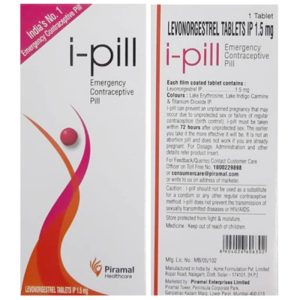
Contraceptives, also known as birth control, play a crucial role in family planning and reproductive health by preventing unintended pregnancies. There are various types of contraceptives available, each with different levels of effectiveness and considerations to keep in mind when choosing the right method.
Different Types of Contraceptives and Their Effectiveness
- Barrier methods such as condoms and diaphragms create a physical barrier to prevent sperm from reaching the egg. They are easily accessible and have the added benefit of reducing the risk of sexually transmitted infections.
- Hormonal methods like birth control pills, patches, and injections work by altering hormone levels to prevent ovulation or thicken cervical mucus to block sperm. These methods are highly effective when used correctly.
- Long-acting reversible contraceptives (LARCs) such as intrauterine devices (IUDs) and implants provide long-term protection against pregnancy with minimal user effort. They have a very low failure rate.
- Sterilization procedures like tubal ligation for women and vasectomy for men are permanent methods of contraception that involve blocking or cutting the fallopian tubes or vas deferens.
Importance of Birth Control Options in Family Planning and Reproductive Health
Access to a wide range of contraceptive options empowers individuals to make informed choices about their reproductive health and plan for the future. Birth control allows people to decide if and when they want to have children, leading to better health outcomes for both parents and children.
Considerations for Choosing the Right Contraceptive Method
- Effectiveness: Consider the effectiveness rate of each method and choose one that aligns with your pregnancy prevention goals.
- Safety: Take into account any health conditions or medications that may interact with certain contraceptive methods.
- Convenience: Evaluate factors such as ease of use, frequency of administration, and reversibility of the method.
- Cost: Determine the cost implications of different contraceptive options and explore coverage options through insurance or public health programs.
- Personal preferences: Consider factors like comfort level, privacy, and relationship dynamics when selecting a contraceptive method.
Men’s Issues
Men face unique health challenges that require attention and care. From physical to mental well-being, it’s important for men to prioritize their health through regular check-ups and healthy lifestyle choices.
Common Health Issues for Men
- Heart disease: Men are at a higher risk of heart disease compared to women. It is crucial to monitor cholesterol levels, blood pressure, and maintain a healthy diet and exercise routine.
- Prostate health: Prostate cancer is a common concern for men. Regular screenings and discussions with a healthcare provider can help in early detection and treatment.
- Erectile dysfunction: This issue can affect men of all ages and may be a sign of underlying health conditions such as diabetes or heart disease. Seeking medical advice is important for proper diagnosis and treatment.
Importance of Regular Health Check-ups
Regular health check-ups play a vital role in preventing and detecting health issues early on. Men should prioritize annual physical exams, screenings for conditions like diabetes, high blood pressure, and cholesterol levels, as well as regular visits to the dentist and eye doctor.
Tips for Maintaining Good Physical and Mental Health
- Exercise regularly: Physical activity not only improves physical health but also boosts mental well-being.
- Eat a balanced diet: Consuming a variety of nutritious foods can help prevent chronic diseases and maintain overall health.
- Manage stress: Stress management techniques such as meditation, yoga, or seeking therapy can help improve mental health.
- Get enough sleep: Adequate sleep is crucial for overall health, including mental clarity and physical recovery.
- Stay connected: Building strong relationships with friends and family can provide emotional support and improve mental health.
Mood Disorders
Mood disorders are a group of mental health conditions that affect a person’s emotional state. These disorders can significantly impact daily functioning and overall well-being.
Types of Mood Disorders and Symptoms
- Major Depressive Disorder: Characterized by persistent feelings of sadness, hopelessness, and loss of interest in activities once enjoyed. Symptoms may include changes in appetite, sleep disturbances, fatigue, and thoughts of death or suicide.
- Bipolar Disorder: Involves periods of intense mood swings, from manic episodes (elevated mood, increased energy, impulsivity) to depressive episodes (similar to major depressive disorder).
- Seasonal Affective Disorder (SAD): Occurs during specific seasons, typically winter, and is characterized by feelings of sadness, lack of energy, and changes in sleep and appetite.
- Generalized Anxiety Disorder (GAD): Involves excessive worry and anxiety about various aspects of life, leading to physical symptoms like muscle tension, restlessness, and difficulty concentrating.
Treatment Options and Coping Strategies
- Medication: Antidepressants, mood stabilizers, or anti-anxiety medications may be prescribed to manage symptoms.
- Therapy: Cognitive-behavioral therapy (CBT), interpersonal therapy, and other forms of psychotherapy can help individuals learn coping skills and address underlying issues.
- Lifestyle Changes: Regular exercise, healthy diet, sufficient sleep, and stress management techniques can contribute to improved mood and overall well-being.
- Social Support: Building a strong support network of friends, family, or support groups can provide emotional encouragement and understanding.
Impact on Quality of Life
Mood disorders can have a profound impact on an individual’s quality of life, affecting relationships, work performance, physical health, and overall happiness. It is essential to seek professional help and support to effectively manage these conditions and improve one’s well-being.
Health and Fitness
Regular physical activity is a crucial component of a healthy lifestyle. Incorporating fitness into your daily routine not only helps maintain a healthy weight but also improves overall health and well-being. Exercise has numerous benefits for both the body and mind, making it essential for a balanced and healthy life.
Importance of Fitness in a Healthy Lifestyle
- Improves cardiovascular health: Regular exercise helps strengthen the heart, reduce the risk of heart disease, and improve circulation.
- Enhances mental well-being: Physical activity releases endorphins, which can help reduce stress, anxiety, and depression.
- Boosts energy levels: Engaging in regular exercise can increase energy levels and combat feelings of fatigue.
Tips for Setting Fitness Goals and Creating a Balanced Exercise Routine
- Set specific, measurable goals: Define clear objectives that you can track and measure over time.
- Start slow and gradually increase intensity: Build up your fitness level gradually to avoid burnout or injury.
- Incorporate variety: Mix up your workouts to prevent boredom and target different muscle groups.
Benefits of Regular Physical Activity on Overall Health and Well-being
- Weight management: Exercise helps burn calories and build muscle, contributing to weight loss or maintenance.
- Improved sleep quality: Regular physical activity can promote better sleep patterns and reduce insomnia.
- Reduced risk of chronic diseases: Exercise can lower the risk of developing conditions like diabetes, hypertension, and certain types of cancer.
Critical Care
Critical care plays a crucial role in managing severe health conditions by providing intensive treatment and monitoring for patients who are critically ill or injured. This specialized medical care is given in the ICU (Intensive Care Unit) to stabilize and support patients with life-threatening conditions.
Role of Critical Care
- Critical care professionals closely monitor patients’ vital signs, such as heart rate, blood pressure, and oxygen levels, to detect any changes or deterioration in their condition.
- Advanced life support measures, including mechanical ventilation, medications, and procedures, are used to stabilize patients and support their organ function.
- Specialized interventions, such as continuous dialysis or ECMO (Extracorporeal Membrane Oxygenation), may be necessary for patients with severe organ failure.
Examples of Critical Care Interventions
- Administering medications to control blood pressure and heart rate.
- Performing emergency procedures such as intubation or tracheostomy to assist with breathing.
- Providing nutritional support through feeding tubes or intravenous fluids.
Challenges and Advancements in Critical Care Medicine
- Challenges include the high cost of critical care, limited availability of specialized facilities, and the risk of complications associated with intensive treatments.
- Advancements in critical care medicine include the use of telemedicine for remote monitoring, personalized treatment plans based on genetic factors, and the development of minimally invasive procedures.
- Research continues to focus on improving outcomes for critically ill patients, reducing complications, and enhancing the quality of life for survivors of critical illness.
Health Exercise
Regular physical activity plays a crucial role in maintaining good health. It not only helps in managing weight but also reduces the risk of chronic diseases and improves overall well-being.
Benefits of Different Types of Exercises
- Cardiovascular exercises like running, cycling, and swimming help strengthen the heart and improve circulation.
- Strength training, such as weight lifting, increases muscle mass and boosts metabolism.
- Flexibility exercises like yoga and stretching improve range of motion and reduce the risk of injuries.
- Balance exercises, such as tai chi, help prevent falls, especially in older adults.
Tips for Incorporating Exercise into Daily Routines
- Schedule workouts like appointments to ensure they are prioritized.
- Choose activities you enjoy to make exercising more enjoyable and sustainable.
- Find a workout buddy for motivation and accountability.
- Incorporate physical activity into daily tasks, like taking the stairs instead of the elevator.
Importance of Regular Physical Activity
Regular exercise not only helps in maintaining a healthy weight but also reduces the risk of chronic diseases like heart disease, diabetes, and certain types of cancer. It improves mood, boosts energy levels, and promotes better sleep. Incorporating physical activity into daily routines is essential for overall health and well-being.
Health Holistic
Holistic health focuses on treating the whole person, considering their physical, mental, emotional, and spiritual well-being. It emphasizes the interconnectedness of these aspects to achieve overall health and wellness.
Principles of Holistic Health
- Addressing the root cause of health issues, not just symptoms
- Using natural and alternative therapies in conjunction with conventional medicine
- Promoting self-care and empowerment in patients
- Emphasizing the importance of nutrition, exercise, and stress management
Examples of Holistic Practices
- Acupuncture: Balances the flow of energy in the body to promote healing
- Meditation: Reduces stress, anxiety, and improves emotional well-being
- Yoga: Combines physical postures, breathing techniques, and meditation for holistic health benefits
- Herbal medicine: Uses plant-based remedies to support the body’s natural healing processes
Benefits of Holistic Healthcare
- Improved overall health and well-being
- Reduced reliance on medications and invasive treatments
- Enhanced mind-body connection and emotional balance
- Prevention of future health issues by addressing root causes
Anti Aging
Aging is a natural process that affects everyone as they grow older. Common signs of aging include wrinkles, fine lines, sagging skin, age spots, and loss of elasticity in the skin. While aging is inevitable, there are ways to slow down the process and maintain a youthful appearance.
Science behind Aging
Age-related changes in the body occur at the cellular level, including a decrease in collagen production, damage from free radicals, and a slowdown in cell turnover. These factors contribute to the visible signs of aging on the skin and overall health.
Anti-Aging Skincare Tips
- Avoid sun exposure and always wear sunscreen to protect against UV rays, which can accelerate skin aging.
- Use products with antioxidants like Vitamin C and E to neutralize free radicals and promote skin repair.
- Moisturize regularly to maintain skin hydration and elasticity.
- Incorporate retinol or peptides in your skincare routine to stimulate collagen production and reduce fine lines.
Lifestyle Practices for Anti-Aging
- Eat a balanced diet rich in antioxidants, vitamins, and minerals to support overall skin health.
- Stay hydrated by drinking plenty of water to flush out toxins and keep skin looking youthful.
- Engage in regular exercise to improve circulation and promote a healthy glow from within.
- Get enough sleep to allow the body to repair and regenerate cells for a more youthful appearance.
Healthcare Systems
Healthcare system funding and sustainability are crucial aspects of ensuring access to quality healthcare services for the population. These systems require adequate financial resources to function efficiently and effectively in providing essential medical care to individuals. Sustainability, on the other hand, refers to the ability of healthcare systems to maintain their operations and meet the needs of current and future generations.
Challenges in Funding Healthcare Systems
- Insufficient government funding leading to resource shortages and inadequate healthcare services.
- Rising healthcare costs, including expensive medical technologies and pharmaceuticals.
- An aging population increasing the demand for healthcare services and putting strain on the system.
- Inequitable distribution of healthcare resources, leading to disparities in access to care.
Potential Solutions
- Increasing government funding for healthcare through budget allocations and policy reforms.
- Promoting cost-effective healthcare practices and reducing unnecessary medical interventions.
- Implementing health insurance schemes to ensure universal healthcare coverage for all citizens.
- Investing in preventive healthcare measures to reduce the burden of diseases and lower healthcare costs in the long run.
Examples of Successful Healthcare Systems
- The National Health Service (NHS) in the United Kingdom, known for its universal healthcare coverage and comprehensive services.
- The healthcare system in Singapore, which combines government subsidies with personal responsibility for healthcare costs.
- The healthcare system in Germany, characterized by its social health insurance model and emphasis on preventive care.
- The Veterans Health Administration (VHA) in the United States, providing healthcare services to military veterans with a focus on patient-centered care.
Health Hemorrhoids
Hemorrhoids, also known as piles, are swollen veins in the rectum and anus that can cause discomfort and bleeding. They are a common condition, especially in adults over the age of 50.Hemorrhoids can be caused by various factors, including straining during bowel movements, chronic constipation or diarrhea, obesity, pregnancy, and a sedentary lifestyle. The most common symptoms of hemorrhoids include rectal bleeding, itching, pain, and swelling around the anus.
Causes and Symptoms
- Causes: Straining during bowel movements, chronic constipation or diarrhea, obesity, pregnancy, and a sedentary lifestyle.
- Symptoms: Rectal bleeding, itching, pain, and swelling around the anus.
Management and Treatment
- Home remedies: Soaking in a warm bath, applying ice packs, using over-the-counter creams or ointments, increasing fiber intake, and staying hydrated.
- Medical treatments: Rubber band ligation, sclerotherapy, infrared coagulation, and surgical procedures like hemorrhoidectomy.
Preventive Measures and Lifestyle Changes
- Eat a high-fiber diet to prevent constipation.
- Stay hydrated by drinking plenty of water.
- Avoid straining during bowel movements.
- Stay physically active to improve circulation.
- Avoid sitting for long periods of time.
Epilogue
From navigating the complexities of funding to envisioning sustainable healthcare models, this discussion has shed light on the vital importance of investing in our collective well-being. Let’s continue to advocate for a future where healthcare systems thrive and communities flourish!
FAQ Compilation
How does funding impact the quality of healthcare services?
Funding plays a crucial role in determining the resources available for healthcare services, influencing everything from medical equipment to staff training.
What are some innovative solutions for sustainable healthcare funding?
Exploring public-private partnerships, value-based care models, and preventive healthcare initiatives are key strategies for ensuring sustainable funding.
Why is it important to address sustainability in healthcare systems?
Sustainability ensures that healthcare systems can meet the needs of current and future generations, fostering a resilient and reliable framework for care.