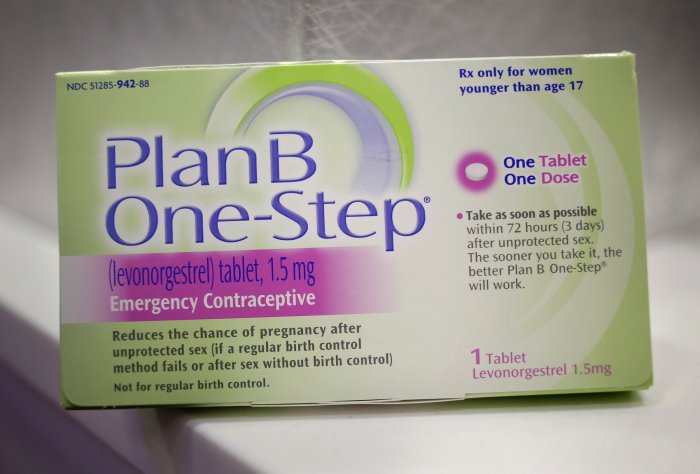
Embark on a journey through the world of Emergency Contraception Pills, where you’ll uncover the ins and outs of this vital form of birth control in a way that’s both informative and engaging.
Learn about the purpose, types, and effectiveness of emergency contraception pills as we dive into this essential topic.
Emergency Contraception Pills
Emergency contraception pills, also known as the morning-after pill, are used to prevent pregnancy after unprotected sex or contraceptive failure. These pills are not intended for regular contraception but serve as a backup option in emergencies.
How Emergency Contraception Pills Work
Emergency contraception pills work by delaying or preventing ovulation, fertilization of an egg, or implantation of a fertilized egg in the uterus. They do not terminate an existing pregnancy but rather prevent one from occurring.
Types of Emergency Contraception Pills
There are two main types of emergency contraception pills available in the market:
Progestin-only pills (levonorgestrel)
These pills are most commonly used and are available over the counter without a prescription.
Ulipristal acetate
This pill is available by prescription only and can be taken up to 5 days after unprotected sex.
Effectiveness Rates of Emergency Contraception Pills
Emergency contraception pills are most effective when taken as soon as possible after unprotected sex. The effectiveness rates vary depending on the type of pill and how soon it is taken:
Progestin-only pills
Up to 89% effective if taken within 72 hours.
Ulipristal acetate
Up to 95% effective if taken within 5 days.
Health Eczema
Eczema, also known as atopic dermatitis, is a common skin condition that leads to red, itchy, and inflamed patches on the skin. It can affect people of all ages, but is most commonly seen in children. Eczema is a chronic condition that tends to flare up periodically.
Common Symptoms of Eczema
- Red, inflamed skin
- Itching, which can be severe
- Dry, scaly skin
- Cracked, rough, or leathery patches of skin
- Oozing or crusting
Triggers that Worsen Eczema
- Stress
- Food allergies
- Harsh soaps and detergents
- Weather changes
- Allergens like pollen or pet dander
Treatment Options for Eczema
- Moisturizers to keep skin hydrated
- Topical corticosteroids to reduce inflammation
- Antihistamines to control itching
- Immune-modulating medications
- Lifestyle changes like avoiding triggers
Tips for Preventing Eczema Flare-ups
- Avoid harsh soaps and detergents
- Keep skin moisturized
- Avoid scratching affected areas
- Identify and avoid triggers
- Manage stress levels
Mind Body Spirit
The connection between the mind, body, and spirit plays a crucial role in our overall health and well-being. It is important to nurture all three aspects to achieve a balanced and harmonious state of being.Mental health is closely linked to physical health, and practices that promote a balanced mind-body-spirit connection can have a profound impact on our overall wellness. Here, we will explore how mindfulness, meditation, and spirituality can contribute to our well-being.
Benefits of Mindfulness and Meditation
- Reduces stress and anxiety levels
- Improves focus and concentration
- Promotes emotional well-being
- Enhances self-awareness and mindfulness
- Boosts overall mental health
Role of Spirituality in Well-being
- Provides a sense of purpose and meaning in life
- Offers comfort and support during challenging times
- Promotes a positive outlook and resilience
- Strengthens connections with others and the world around us
- Enhances overall quality of life and sense of fulfillment
Detoxification
Detoxification is a process that helps the body eliminate toxins and impurities to improve overall health and well-being. It can support the liver, kidneys, and other organs in filtering out harmful substances that we may be exposed to through our environment, food, or lifestyle choices.
Different Methods of Detoxification
- Juice Cleanses: A popular method that involves consuming only fruit and vegetable juices for a period of time to give the digestive system a break and flood the body with nutrients.
- Fasting: This approach involves abstaining from solid food for a certain period to allow the body to focus on cleansing and repair processes.
- Herbal Detox Supplements: These supplements contain herbs and other natural ingredients that support the body’s detoxification pathways.
Tips for a Safe and Effective Detox Process
- Stay Hydrated: Drink plenty of water to help flush out toxins from the body.
- Eat Nutrient-Dense Foods: Incorporate whole foods like fruits, vegetables, and lean proteins to support the detox process.
- Avoid Processed Foods: Cut out processed foods, sugar, and unhealthy fats during detox to reduce the toxic load on the body.
Potential Benefits of Detoxification on Health
- Improved Energy Levels: Detoxification can help boost energy levels by supporting optimal organ function.
- Clearer Skin: Removing toxins from the body can lead to clearer, healthier skin.
- Weight Loss: Some people may experience weight loss as a result of detoxifying the body and making healthier food choices.
Dental Care
Regular dental care is crucial for overall health as it not only helps maintain oral hygiene but also plays a significant role in preventing various health issues. Poor dental health can lead to problems such as gum disease, tooth decay, and even systemic conditions like heart disease and diabetes.
Common Dental Procedures and Their Purposes
- 1. Dental Cleaning (Prophylaxis): Removes plaque and tartar buildup to prevent cavities and gum disease.
- 2. Fillings: Repairs cavities caused by tooth decay to restore tooth function.
- 3. Root Canal Treatment: Removes infected pulp from a tooth to save it from extraction.
- 4. Tooth Extraction: Removes severely damaged or infected teeth that cannot be saved.
- 5. Dental Crowns: Covers and protects a damaged tooth to restore its shape and function.
Tips for Maintaining Good Oral Hygiene
- 1. Brush your teeth at least twice a day with fluoride toothpaste.
- 2. Floss daily to remove plaque and food particles between teeth.
- 3. Limit sugary and acidic foods and drinks that can contribute to tooth decay.
- 4. Visit your dentist regularly for check-ups and professional cleanings.
- 5. Replace your toothbrush every 3-4 months or sooner if the bristles are frayed.
The Link Between Oral Health and Systemic Health
Maintaining good oral health is not just about having a bright smile; it is also essential for overall health. Research has shown that oral health is connected to systemic health, with poor oral hygiene linked to various health conditions such as cardiovascular disease, respiratory infections, and diabetes. Taking care of your teeth and gums can have a positive impact on your overall well-being.
Back Pain
Back pain is a common issue that can range from a dull, constant ache to a sudden, sharp pain that makes it difficult to move. It can be caused by a variety of factors, including muscle strain, poor posture, injury, or underlying medical conditions. Here, we will explore the common causes of back pain and discuss lifestyle changes, treatment options, and preventive measures.
Common Causes of Back Pain
- Muscle strain: Overuse, poor posture, or sudden movements can lead to muscle strain and result in back pain.
- Herniated disc: When the soft tissue inside the spinal disc protrudes, it can press on a nerve and cause pain.
- Arthritis: Osteoarthritis and other forms of arthritis can affect the spine and lead to back pain.
- Skeletal irregularities: Conditions like scoliosis can cause misalignment in the spine, leading to discomfort.
Lifestyle Changes for Alleviating Back Pain
- Regular exercise: Strengthening the core muscles can provide support for the spine and reduce back pain.
- Improving posture: Maintaining good posture while sitting, standing, and lifting can prevent strain on the back.
- Ergonomic adjustments: Using supportive chairs, mattresses, and desks can help alleviate back pain.
Treatment Options for Chronic Back Pain
- Physical therapy: Exercises and stretches prescribed by a physical therapist can improve flexibility and reduce pain.
- Medications: Over-the-counter pain relievers or prescription medications can help manage chronic back pain.
- Injections: Cortisone injections can reduce inflammation and alleviate pain in the affected area.
Tips for Preventing Back Pain in Daily Life
- Lift with your legs, not your back, to avoid strain.
- Stay active and maintain a healthy weight to reduce pressure on the spine.
- Practice stress-reducing techniques like yoga or meditation to relax tense muscles.
Health Asthma
Asthma is a chronic respiratory condition that affects the airways in the lungs, making it difficult to breathe. Symptoms of asthma include wheezing, coughing, chest tightness, and shortness of breath. These symptoms can range from mild to severe and can be triggered by various factors.Asthma attacks can be triggered by allergens such as pollen, dust mites, pet dander, or mold.
Other common triggers include respiratory infections, exercise, cold air, smoke, strong odors, and emotional stress. It’s important for individuals with asthma to identify their triggers and take steps to avoid them in order to prevent attacks.Having an asthma action plan is crucial for managing the condition effectively. This plan should include information on daily medications, rescue inhaler use, recognizing early signs of an asthma attack, and steps to take in case of an emergency.
It’s important to work with a healthcare provider to create a personalized asthma action plan based on individual needs and triggers.To manage asthma symptoms and improve quality of life, it’s essential to take medications as prescribed, avoid triggers, maintain a healthy lifestyle, and monitor lung function regularly. In addition, staying physically active, eating a balanced diet, staying hydrated, and getting enough rest can help support overall lung health and reduce the risk of asthma attacks.
Tips for Managing Asthma
- Avoid exposure to allergens and irritants such as dust, pollen, smoke, and strong odors.
- Take medications as prescribed by your healthcare provider, including daily controller medications and rescue inhalers.
- Monitor your lung function regularly using a peak flow meter or spirometer.
- Create an asthma action plan with your healthcare provider and follow it closely.
- Stay physically active to improve lung function and overall health.
Health Depression
Depression is a mental health disorder characterized by persistent feelings of sadness, hopelessness, and loss of interest in activities. It can affect how you think, feel, and handle daily activities, leading to various emotional and physical problems.There are different types of depression, including major depressive disorder, persistent depressive disorder, bipolar disorder, seasonal affective disorder, and postpartum depression. Each type has its own set of symptoms and may require different approaches to treatment.
Symptoms of Depression
- Feeling sad or empty most of the time
Treatment Options
- Therapy: Cognitive-behavioral therapy (CBT), interpersonal therapy, and psychodynamic therapy are common approaches to treating depression.
- Medication: Antidepressants such as SSRIs, SNRIs, and tricyclic antidepressants may be prescribed to help manage symptoms.
- Self-care: Engaging in regular exercise, maintaining a healthy diet, getting enough sleep, and practicing relaxation techniques can help improve mood.
Seeking Professional Help
- If you experience symptoms of depression that interfere with your daily life, it’s important to seek help from a mental health professional.
Headaches Migraines
Headaches and migraines are common conditions that can cause discomfort and affect daily activities. While both involve head pain, migraines are typically more severe and often accompanied by other symptoms such as nausea, vomiting, and sensitivity to light and sound.
Difference between Headaches and Migraines
- Headaches are usually milder and can be felt on both sides of the head, while migraines are often intense and focused on one side.
- Migraines may also include an “aura” phase before the headache begins, with visual disturbances or other sensory changes.
- Headaches can be triggered by stress, lack of sleep, dehydration, or certain foods, while migraines may be triggered by hormonal changes, specific foods, or environmental factors.
Common Triggers for Headaches and Migraines
- Stress: High levels of stress can lead to tension headaches or trigger migraines.
- Lack of Sleep: Not getting enough restful sleep can increase the likelihood of experiencing headaches or migraines.
- Diet: Certain foods and beverages, such as processed meats, aged cheeses, and alcohol, can be common triggers for migraines.
Managing and Preventing Headaches and Migraines
- Stay Hydrated: Drink plenty of water throughout the day to help prevent dehydration, a common trigger for headaches.
- Maintain a Regular Sleep Schedule: Aim for 7-9 hours of quality sleep each night to reduce the risk of headaches and migraines.
- Practice Stress-Relief Techniques: Engage in activities like meditation, deep breathing, or yoga to help manage stress levels.
When to Seek Medical Attention for Severe Headaches or Migraines
- If you experience a sudden and severe headache, especially if it is accompanied by fever, confusion, or loss of consciousness, seek immediate medical attention.
- If your headaches or migraines are becoming more frequent or severe, consult with a healthcare provider to discuss treatment options.
- If over-the-counter pain medications are not providing relief, it may be time to see a doctor for further evaluation and management.
- Practice relaxation techniques such as deep breathing, meditation, or yoga to reduce stress and tension.
- Stay physically active within your limits to strengthen muscles and improve flexibility.
- Maintain a healthy diet and stay hydrated to support overall well-being.
- Engage in hobbies and activities that bring joy and distract from pain.
- Seek support from friends, family, or a support group to cope with the emotional impact of chronic pain.
- Obesity: Excess weight can contribute to the narrowing of airways, leading to snoring.
- Nasal congestion: Blocked nasal passages can force breathing through the mouth, increasing the likelihood of snoring.
- Alcohol consumption: Relaxation of throat muscles due to alcohol can worsen snoring.
- Sleep on your side instead of your back to prevent the tongue from obstructing the airway.
- Maintain a healthy weight through diet and exercise to reduce excess pressure on airways.
- Stay hydrated and avoid alcohol consumption before bedtime to prevent throat muscle relaxation.
- Reducing stress and anxiety levels
- Improving self-confidence and self-esteem
- Enhancing focus and concentration
- Alleviating symptoms of depression
- Managing phobias and fears
- Birth Control Pills: Oral contraceptives taken daily to prevent pregnancy by inhibiting ovulation.
- Condoms: Barrier method preventing sperm from reaching the egg, also reducing the risk of sexually transmitted infections.
- Birth Control Patch: A transdermal patch releasing hormones to prevent ovulation.
- Intrauterine Device (IUD): A small device inserted into the uterus to prevent pregnancy, available in hormonal and non-hormonal options.
- Effectiveness rates vary depending on the type of contraceptive used, with methods like IUDs and implants being highly effective.
- Common side effects may include nausea, headaches, weight gain, and changes in menstrual cycle, which can vary from person to person.
- It is important to consult with a healthcare provider to understand the risks and benefits of each method.
- Consider factors such as effectiveness, convenience, side effects, and personal preferences when selecting a contraceptive method.
- Discuss options with a healthcare provider to determine the best fit for your lifestyle and reproductive goals.
- Regularly review and reassess your contraceptive choice to ensure it aligns with your current needs.
- Access to comprehensive sex education and contraceptives is essential for promoting reproductive health and preventing unintended pregnancies.
- Educational initiatives can help individuals make informed decisions about their sexual health and contraceptive options.
- Policies that support affordable and accessible contraceptives are crucial in ensuring everyone has the resources they need to make empowered choices.
- Prostate Problems: Prostate cancer is one of the most common cancers in men. Regular screenings can help detect any issues early on.
- Erectile Dysfunction: This condition can be caused by various factors, including stress, anxiety, or underlying health conditions. Seeking medical help is crucial for effective treatment.
- Heart Disease: Men are at a higher risk of heart disease compared to women. Maintaining a healthy diet and lifestyle is key in preventing heart-related issues.
- Exercise regularly and maintain a healthy diet to keep your body in top shape.
- Manage stress through relaxation techniques or hobbies that bring you joy.
- Stay hydrated and get an adequate amount of sleep each night for optimal health.
- Practice relaxation techniques such as deep breathing, meditation, or yoga.
- Engage in regular physical activity to boost mood and reduce stress.
- Maintain a healthy diet rich in fruits, vegetables, whole grains, and lean proteins.
- Establish a consistent sleep schedule to promote restful sleep and overall well-being.
- Seek support from friends, family, or mental health professionals for guidance and encouragement.
- Joining a fitness class or sports team can make exercise more enjoyable and help you stay motivated.
- Setting specific goals and tracking your progress can help you stay on track and make exercising a habit.
- Find activities you enjoy, whether it’s yoga, swimming, dancing, or hiking, to make staying active more fun and sustainable.
- Cardiovascular exercises like running, cycling, and swimming improve heart health and endurance.
- Strength training with weights or resistance bands helps build muscle, increase metabolism, and improve bone density.
- Flexibility exercises like yoga or stretching improve range of motion, reduce the risk of injury, and enhance posture.
- Balance exercises such as tai chi or stability exercises help prevent falls, enhance coordination, and strengthen stabilizing muscles.
- Eating a variety of fruits, vegetables, whole grains, lean proteins, and healthy fats supports overall health and provides essential vitamins and minerals.
- Hydrating properly before, during, and after exercise is crucial for performance and recovery.
- Avoiding processed foods, sugary drinks, and excessive salt can help reduce the risk of chronic diseases and maintain a healthy weight.
- Critical care is essential for patients who require close monitoring and interventions due to the severity of their illness or injury.
- ICUs are equipped with advanced technology and specialized medical equipment to support patients with organ failure, severe infections, or other critical conditions.
- The goal of critical care is to stabilize patients, prevent further deterioration, and provide them with the best chance of recovery.
- Critical care teams work collaboratively to assess, diagnose, and treat patients in a fast-paced and high-pressure environment.
- Challenges include high stress levels, long hours, and emotional intensity when dealing with life-and-death situations.
- Rewards come from making a meaningful impact on patients’ lives, witnessing remarkable recoveries, and being part of a dedicated team that saves lives every day.
- Critical care professionals develop strong bonds with patients and their families, providing support and comfort during difficult times.
- Advancements in technology, such as telemedicine, remote monitoring, and artificial intelligence, have improved critical care outcomes.
- New treatments, medications, and protocols are constantly being developed to enhance patient care and recovery in critical care settings.
- Research in critical care medicine focuses on improving survival rates, reducing complications, and enhancing quality of life for critically ill patients.
- A multidisciplinary team in the ICU includes physicians, nurses, respiratory therapists, pharmacists, dietitians, and other healthcare professionals working together to deliver comprehensive care.
- Each team member brings unique expertise and skills to the table, contributing to a holistic approach to patient care in critical settings.
- Collaboration and communication among team members are essential to ensure coordinated and effective care for critically ill patients.
- Improves cardiovascular health by strengthening the heart and increasing circulation.
- Helps in weight management by burning calories and building muscle mass.
- Boosts mood and reduces symptoms of anxiety and depression through the release of endorphins.
- Enhances flexibility, balance, and coordination, reducing the risk of falls and injuries.
- Reduces the risk of chronic diseases such as diabetes, heart disease, and certain types of cancer.
- Set realistic goals based on your fitness level and schedule.
- Choose activities that you enjoy to increase motivation and consistency.
- Vary your routine to target different muscle groups and prevent boredom.
- Include a mix of cardiovascular, strength training, and flexibility exercises for overall fitness.
- Consult with a fitness professional to create a customized plan tailored to your needs and goals.
- Cardiovascular exercises like running, cycling, and swimming improve heart health and endurance.
- Strength training with weights or bodyweight exercises builds muscle mass and increases metabolism.
- Flexibility exercises such as yoga and stretching improve range of motion and reduce the risk of injuries.
- High-intensity interval training (HIIT) combines cardio and strength for a time-efficient workout with maximum benefits.
- Cross-training with a variety of activities prevents plateaus and keeps workouts interesting.
- Set specific, measurable goals to track progress and celebrate achievements.
- Find a workout buddy or join a group fitness class for social support and accountability.
- Reward yourself for sticking to your routine with non-food incentives like a new workout outfit or a massage.
- Schedule exercise sessions like appointments to prioritize physical activity in your daily routine.
- Listen to music, podcasts, or audiobooks during workouts to make them more enjoyable and engaging.
- Balance: Holistic health aims to create harmony and balance in all aspects of life, promoting a sense of overall well-being.
- Prevention: Emphasis is placed on preventing illness and disease through healthy lifestyle practices and self-care.
- Individuality: Each person is unique, and holistic health recognizes the importance of personalized care tailored to individual needs.
- Connection: The interconnectedness of mind, body, and spirit is acknowledged, highlighting the impact of each on overall health.
- Natural Healing: Holistic health often utilizes natural remedies and therapies to support the body’s innate healing abilities.
- Improved Overall Health: By addressing all aspects of health, individuals can experience improved physical, mental, and emotional well-being.
- Prevention of Illness: Holistic practices focus on prevention, helping individuals maintain optimal health and reduce the risk of developing chronic conditions.
- Enhanced Quality of Life: Holistic approaches can lead to increased energy, vitality, and a greater sense of purpose and fulfillment.
- Reduced Stress: Holistic therapies such as meditation, yoga, and acupuncture can help reduce stress levels and promote relaxation.
- Support for Chronic Conditions: Holistic treatments can complement traditional medical care, providing additional support for managing chronic illnesses.
- Causes: Straining during bowel movements, chronic constipation, pregnancy, obesity, and a sedentary lifestyle.
- Symptoms: Itching, pain, bleeding, and swelling around the anus.
- Over-the-counter creams and ointments to reduce itching and swelling.
- Sitz baths to help relieve symptoms and promote healing.
- Eating a high-fiber diet and staying hydrated to prevent constipation.
- Medical procedures such as rubber band ligation or hemorrhoidectomy for severe cases.
- Avoid straining during bowel movements by eating a high-fiber diet and staying hydrated.
- Stay physically active to promote healthy bowel function.
- Avoid sitting for long periods of time and take breaks to stand and stretch.
- Avoid delaying bowel movements when the urge arises.
- If you experience severe pain, bleeding, or swelling that doesn’t improve with home remedies.
- If you notice a lump near your anus that is painful or tender.
- If you have recurrent hemorrhoids or if they interfere with your daily activities.
Pain Management
Chronic pain can significantly impact a person’s quality of life, making everyday tasks challenging and affecting mental well-being. It is essential to explore various approaches to pain management to find effective relief and improve overall health.
Medication vs Alternative Therapies
When it comes to managing pain, there are two main approaches: medication and alternative therapies. Medications such as analgesics, anti-inflammatories, and opioids can help alleviate pain, but they may come with side effects and risks of dependence. On the other hand, alternative therapies like acupuncture, chiropractic care, massage therapy, and cognitive-behavioral therapy offer non-pharmacological options for pain relief with potentially fewer side effects.
Tips for Coping with Chronic Pain
Importance of a Multidisciplinary Approach
A multidisciplinary approach to pain management involves a team of healthcare providers working together to address the physical, emotional, and psychological aspects of pain. This holistic approach can lead to more comprehensive and effective pain relief by considering the individual’s unique needs and circumstances.
Role of Mental Health in Pain Perception
Mental health plays a crucial role in how we perceive and manage pain. Conditions like depression, anxiety, and stress can amplify pain sensations and make it more challenging to cope. By addressing mental health concerns alongside physical symptoms, individuals can experience better pain management outcomes and overall well-being.
Sleep Snoring
Snoring is a common issue that can disrupt sleep quality for both the snorer and their sleeping partner. It is often caused by the relaxation of muscles in the throat, leading to the narrowing of airways and vibration during breathing. This can result in fragmented sleep and daytime fatigue, impacting overall well-being.
Causes of Snoring
Tips for Reducing Snoring
Health Risks of Chronic Snoring
Persistent snoring can be a sign of a more serious condition known as sleep apnea, where breathing repeatedly stops and starts during sleep. This can lead to complications such as high blood pressure, heart disease, and stroke if left untreated.
When to Seek Medical Help
If snoring is accompanied by gasping or choking sounds during sleep, excessive daytime fatigue, or pauses in breathing, it is essential to consult a healthcare professional. A sleep study may be recommended to diagnose any underlying sleep disorders and determine the appropriate treatment.
Self Hypnosis
Self-hypnosis is a technique that allows individuals to enter a state of deep relaxation and focused attention, similar to being in a trance. This altered state of consciousness can help individuals access their subconscious mind and make positive changes in their thoughts, feelings, and behaviors.
Potential Benefits of Self-Hypnosis for Mental Health
Techniques for Practicing Self-Hypnosis at Home
Find a quiet and comfortable place to sit or lie down. Close your eyes and take slow, deep breaths to relax your body and mind. Visualize a peaceful scene or repeat a positive affirmation to yourself. Focus on relaxing each part of your body from head to toe. Allow yourself to enter a state of deep relaxation and suggest positive changes to your subconscious mind.
Role of Self-Hypnosis in Managing Stress and Anxiety
Self-hypnosis can be a powerful tool for managing stress and anxiety by helping individuals calm their minds, reduce negative thought patterns, and promote relaxation. By practicing self-hypnosis regularly, individuals can develop a greater sense of control over their emotions and responses to stressful situations.
Contraceptives Birth Control
Contraceptives are a crucial aspect of reproductive health, providing individuals with options to prevent unwanted pregnancies. There are several types of contraceptives available, each with varying levels of effectiveness and potential side effects. It is essential to understand these options and choose the right method based on individual needs and preferences.
Types of Contraceptives
Effectiveness and Side Effects
Choosing the Right Contraceptive Method
Importance of Education and Access
Men’s Issues
Men’s health is an important topic that often gets overlooked. It’s essential for men to take care of their physical and mental well-being to lead a fulfilling life. Let’s explore some common health issues that affect men and the importance of regular health check-ups.
Common Health Issues for Men
Importance of Regular Health Check-ups
Regular health check-ups are essential for early detection of any underlying health issues. Men should schedule routine visits with their healthcare provider to monitor their overall well-being and address any concerns promptly.
Tips for Maintaining Overall Health and Well-being for Men
Role of Mental Health in Addressing Men’s Issues
Mental health plays a significant role in men’s overall well-being. It’s essential to prioritize mental health by seeking support when needed, practicing self-care, and communicating openly about feelings and emotions.
Mood Disorders
Mood disorders are mental health conditions that impact a person’s emotional state, leading to disturbances in mood, behavior, and overall well-being. These disorders can range from mild to severe and can have a significant impact on daily life.Anxiety Disorders:
Anxiety Disorders
Anxiety disorders are characterized by feelings of worry, fear, or unease that are excessive and persistent. Common types of anxiety disorders include generalized anxiety disorder, panic disorder, social anxiety disorder, and specific phobias. Symptoms may include restlessness, irritability, muscle tension, and difficulty concentrating. Triggers for anxiety disorders can vary from person to person and may include stress, traumatic events, genetics, or brain chemistry imbalances.Bipolar Disorder:
Bipolar Disorder
Bipolar disorder is a mood disorder characterized by extreme mood swings that include emotional highs (mania or hypomania) and lows (depression). These mood shifts can affect energy levels, behavior, judgment, sleep patterns, and the ability to think clearly. Triggers for bipolar disorder may include genetics, brain structure, and environmental factors. It is crucial for individuals with bipolar disorder to seek professional help for proper diagnosis, treatment, and management.Coping Strategies:
Coping Strategies
Importance of Seeking Professional Help:
Professional Help
Seeking professional help is essential for individuals experiencing severe mood disorders to receive proper diagnosis, treatment, and support. Mental health professionals, such as therapists, psychiatrists, or counselors, can provide therapy, medication management, and coping strategies tailored to the individual’s needs. It is important to prioritize mental health and reach out for help when needed to improve overall quality of life and well-being.
Health and Fitness
Regular exercise and a balanced diet are essential for maintaining overall health and well-being. Physical activity helps to strengthen the body, improve cardiovascular health, boost mood, and reduce the risk of chronic diseases. Pairing exercise with a nutritious diet provides the necessary nutrients to support bodily functions and promote optimal health.
Incorporating Physical Activity
It can be challenging to find time for exercise in our busy schedules, but incorporating physical activity into daily routines is crucial for overall health. Try taking the stairs instead of the elevator, walking or biking to nearby destinations, or setting aside dedicated time for workouts.
Benefits of Different Types of Exercise
Engaging in various types of exercise can have different benefits on both physical and mental well-being. It’s important to incorporate a mix of cardio, strength training, flexibility, and balance exercises into your routine for overall health.
Nutrition, Fitness, and Overall Health
The connection between nutrition, fitness, and overall health is undeniable. A balanced diet provides the energy and nutrients needed for physical activity, while regular exercise helps regulate appetite, metabolism, and weight management.
Critical Care
Critical care plays a crucial role in healthcare settings by providing specialized treatment and monitoring for patients facing life-threatening conditions. This level of care is delivered in intensive care units (ICUs) where patients receive round-the-clock attention from a highly skilled team of healthcare professionals.
Role of Critical Care in Healthcare Settings
Challenges and Rewards of Working in Critical Care Environments
Latest Advancements in Critical Care Medicine
Importance of a Multidisciplinary Team in Providing Critical Care
Health Exercise
Regular exercise plays a crucial role in maintaining overall physical health. It offers a wide range of benefits, from improving cardiovascular health to boosting mood and reducing the risk of chronic diseases. Incorporating exercise into your routine can have a significant impact on your quality of life.
Benefits of Regular Exercise
Creating a Personalized Exercise Routine
Different Types of Workouts and Their Impact
Staying Motivated and Consistent
Health Holistic
Holistic health focuses on treating the whole person, considering physical, mental, emotional, and spiritual aspects to achieve overall well-being. By addressing all these areas, individuals can experience improved health and vitality.
Principles of Holistic Health
Benefits of a Holistic Approach
Anti Aging
In today’s fast-paced world, the quest for eternal youth is a common goal for many. Aging is a natural process that affects everyone, but there are ways to slow down its visible effects and promote a youthful appearance. Let’s explore some key aspects of anti-aging and how to maintain a healthy, youthful glow.
Common Signs of Aging
As we age, our skin undergoes various changes that can contribute to a more mature appearance. Common signs of aging include fine lines, wrinkles, sagging skin, age spots, and loss of elasticity. These changes are often influenced by factors such as genetics, sun exposure, lifestyle choices, and overall health.
Skincare Routines and Products
One of the most important aspects of anti-aging is a consistent skincare routine. Using products with ingredients like retinol, hyaluronic acid, vitamin C, and SPF can help maintain youthful-looking skin. Regularly cleansing, moisturizing, and exfoliating can also improve skin texture and tone.
Maintaining a Healthy Lifestyle
Healthy habits play a crucial role in slowing down the aging process. Eating a balanced diet rich in antioxidants, staying hydrated, exercising regularly, getting enough sleep, and avoiding smoking and excessive sun exposure can all contribute to a more youthful appearance. It’s important to take care of your body from the inside out.
Importance of Self-Care
Self-care is essential for overall well-being and can significantly impact how we age. Managing stress, practicing mindfulness, engaging in activities that bring joy, and prioritizing mental health can all help reduce the effects of aging. Taking care of yourself not only improves your physical appearance but also boosts your confidence and quality of life.
Healthcare Systems
In today’s globalized world, healthcare systems vary significantly from one country to another, with each model having its own strengths and weaknesses. These systems play a crucial role in ensuring access to quality healthcare services for all populations, impacting patient care and overall public health. Let’s delve deeper into the different healthcare systems around the world and explore their key features.
Universal Healthcare System
Universal healthcare, also known as single-payer healthcare, is a system where the government provides healthcare coverage for all citizens. This model aims to ensure that everyone has access to essential medical services without financial barriers. Countries like Canada, the United Kingdom, and Sweden have adopted this system, offering comprehensive healthcare services to their populations. The strengths of universal healthcare include promoting equity and reducing overall healthcare costs.
However, challenges such as long wait times for non-emergency procedures and potential strain on government budgets are some of the weaknesses associated with this model.
Private Healthcare System
In contrast, a private healthcare system relies on the private sector for the delivery of healthcare services. Countries like the United States and Germany follow this model, where individuals purchase health insurance or pay out-of-pocket for medical care. The strengths of a private healthcare system include increased choice and faster access to specialized care. However, the high costs of healthcare services and disparities in access based on income are significant weaknesses of this model.
Mixed Healthcare System
Some countries, such as France and Australia, have adopted a mixed healthcare system that combines elements of both public and private healthcare. This model allows individuals to choose between public and private healthcare providers, offering a balance between universal coverage and private sector innovation. The strengths of a mixed healthcare system include flexibility and improved efficiency in service delivery. Challenges may arise in terms of coordinating care between public and private providers and ensuring equitable access for all populations.
Impact of Healthcare Policies
Healthcare policies play a crucial role in shaping the quality and accessibility of healthcare services. Policies related to funding, regulation, and quality standards can have a direct impact on patient care outcomes. For example, policies that prioritize preventive care and primary care services can lead to better health outcomes and reduced healthcare costs in the long run. On the other hand, inadequate funding or deregulation of healthcare services may result in disparities in access and quality of care.
Importance of Access to Healthcare Services
Access to healthcare services is essential for promoting overall well-being and addressing health disparities within populations. Ensuring universal access to quality healthcare can lead to improved health outcomes, increased life expectancy, and reduced healthcare costs. By providing timely and affordable healthcare services to all individuals, healthcare systems can contribute to a healthier and more equitable society.
Health Hemorrhoids
Hemorrhoids, also known as piles, are swollen veins in the rectum and anus that can cause discomfort and pain. They are a common condition that can be caused by straining during bowel movements, chronic constipation, pregnancy, obesity, and a sedentary lifestyle. Symptoms of hemorrhoids include itching, pain, bleeding, and swelling around the anus.
Causes and Symptoms
Treatment Options
Prevention and Rectal Health
When to Seek Medical Attention
Closing Notes
As we conclude our exploration of Emergency Contraception Pills, you now have a comprehensive understanding of how they work and why they are crucial in certain situations. Stay informed and make empowered decisions about your reproductive health!
FAQ Summary
Can emergency contraception pills be used as a regular form of birth control?
No, emergency contraception pills are not meant to be used as a regular form of birth control. They should only be used in emergencies or as a backup method.
Are emergency contraception pills 100% effective in preventing pregnancy?
No, emergency contraception pills are not 100% effective, but they can significantly reduce the risk of pregnancy if taken correctly and promptly after unprotected sex.
Do emergency contraception pills have any side effects?
Common side effects of emergency contraception pills may include nausea, headache, and irregular bleeding. However, these side effects are usually mild and temporary.
How soon after unprotected sex should emergency contraception pills be taken to be effective?
Emergency contraception pills are most effective when taken as soon as possible after unprotected sex, ideally within 72 hours, but they can still be used up to 5 days after.