Embark on a journey through the world of pain management for cancer patients, where relief and support intertwine to create a holistic approach towards healing.
As we delve deeper, we uncover the various strategies, from pharmacological to holistic, aimed at enhancing the quality of life for those battling cancer.
Introduction to Pain Management for Cancer Patients
Pain management in the context of cancer treatment involves the use of various techniques and medications to alleviate pain experienced by cancer patients. It is a crucial aspect of cancer care that aims to improve the quality of life for patients undergoing treatment.Effective pain management is essential for cancer patients as it not only helps in reducing physical discomfort but also contributes to the overall well-being of the patient.
By managing pain effectively, patients can experience better sleep, improved appetite, and enhanced mobility, allowing them to engage more fully in their daily activities and treatment plans.Managing pain in cancer patients can be challenging due to the complexities involved. Each patient may experience different types of pain, ranging from acute to chronic, and may require individualized treatment approaches. Additionally, the fear of addiction to pain medications, tolerance to treatment, and the emotional impact of pain can further complicate the management process.
It is crucial for healthcare providers to assess and address the unique needs of each patient to ensure optimal pain control throughout their cancer journey.
Pharmacological Approaches to Pain Management
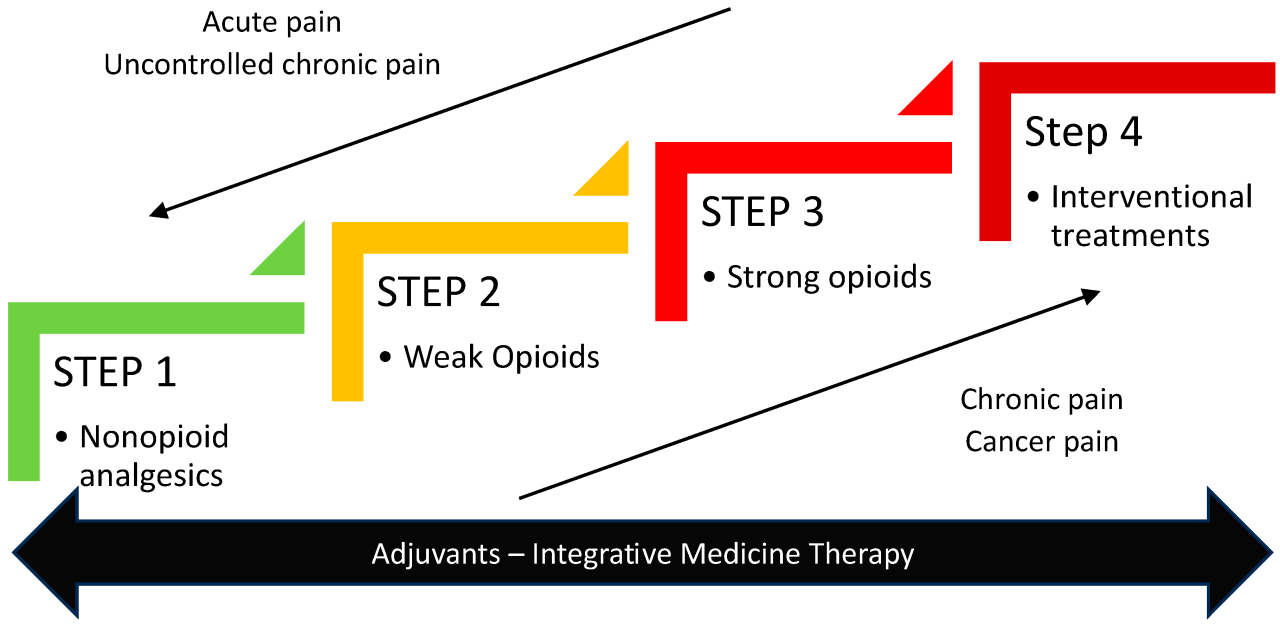
Pain management in cancer patients often involves the use of medications to help alleviate discomfort and improve quality of life. Pharmacological approaches play a crucial role in addressing the complex pain experienced by cancer patients.Opioids are commonly prescribed for moderate to severe cancer pain due to their potent pain-relieving properties. These medications work by binding to opioid receptors in the brain and spinal cord, reducing the perception of pain.
Examples of opioids used for cancer pain include morphine, oxycodone, and fentanyl.However, opioids can also cause side effects such as constipation, drowsiness, nausea, and potential dependence or addiction. It is essential for healthcare providers to closely monitor patients using opioids to minimize these risks and adjust the dosage accordingly.
Non-Opioid Pharmacological Options for Pain Relief
Non-opioid pharmacological options provide alternative pain relief for cancer patients, especially those who may not tolerate or respond well to opioids. These medications can be used alone or in combination with opioids to enhance pain management.
- Nonsteroidal Anti-Inflammatory Drugs (NSAIDs): NSAIDs like ibuprofen and naproxen can help reduce inflammation and relieve mild to moderate cancer pain. They work by blocking enzymes that cause pain and swelling.
- Anticonvulsants: Certain anticonvulsant medications such as gabapentin and pregabalin can be effective in managing neuropathic pain, which is common in cancer patients due to nerve damage.
- Antidepressants: Tricyclic antidepressants like amitriptyline and selective serotonin and norepinephrine reuptake inhibitors (SNRIs) like duloxetine can help alleviate pain by affecting neurotransmitters in the brain.
- Corticosteroids: Steroids such as dexamethasone may be used to reduce inflammation and swelling, providing relief from cancer-related pain and improving overall comfort.
Non-Pharmacological Pain Management Techniques
Non-pharmacological pain management techniques offer cancer patients alternative ways to alleviate pain without relying solely on medication.
Acupuncture
Acupuncture is a traditional Chinese medicine technique that involves inserting thin needles into specific points on the body to help reduce pain and promote healing.
Massage Therapy
Massage therapy can help relieve muscle tension, improve circulation, and promote relaxation, which can be beneficial for cancer patients experiencing pain.
Yoga
Yoga combines physical postures, breathing exercises, and meditation to help reduce stress, improve flexibility, and alleviate pain in cancer patients.
Physical Therapy and Exercise
Physical therapy can help improve mobility, strength, and function, which can in turn reduce pain for cancer patients. Exercise, such as walking or gentle stretching, can also help manage pain and improve overall well-being.
Cognitive Behavioral Therapy (CBT)
CBT is a form of psychotherapy that helps cancer patients change their negative thought patterns and behaviors related to pain, ultimately helping them cope better with their pain and improve their quality of life.
Integrative Approaches to Pain Management
Integrative medicine in cancer pain management involves combining conventional medical treatments with complementary therapies to provide a holistic approach to pain relief for cancer patients. This approach recognizes the importance of treating the whole person, including physical, emotional, and spiritual aspects, to improve overall well-being and quality of life.
Acupuncture
Acupuncture is a traditional Chinese medicine technique that involves inserting thin needles into specific points on the body to help alleviate pain. Studies have shown that acupuncture can be effective in reducing cancer-related pain by stimulating the release of endorphins, the body’s natural painkillers. It is often used in combination with other treatments to enhance pain relief and improve quality of life for cancer patients.
Mind-Body Therapies
Mind-body therapies such as meditation, yoga, and relaxation techniques can help cancer patients manage pain by reducing stress, anxiety, and muscle tension. These practices promote relaxation and mindfulness, which can help patients cope with pain more effectively and improve their overall well-being. Incorporating mind-body therapies into a comprehensive pain management plan can enhance the effectiveness of conventional treatments and improve quality of life for cancer patients.
Herbal Supplements
Certain herbal supplements, such as turmeric, ginger, and valerian root, have been shown to have pain-relieving properties and may help alleviate cancer-related pain. These supplements can be used in conjunction with conventional pain medications to provide additional relief and improve overall pain management outcomes. However, it is important for cancer patients to consult with their healthcare providers before incorporating any herbal supplements into their treatment plan to ensure safety and effectiveness.
Palliative Care and Pain Management
Palliative care is specialized medical care that focuses on providing relief from the symptoms and stress of a serious illness, such as cancer. It aims to improve the quality of life for patients and their families. In the context of cancer patients, palliative care plays a crucial role in addressing pain and managing symptoms to help patients live as comfortably as possible.
Role of Palliative Care in Pain Management
Palliative care teams work closely with cancer patients to develop personalized pain management plans that may include a combination of pharmacological and non-pharmacological approaches. These plans are tailored to address the specific needs and preferences of each patient, with the goal of controlling pain while minimizing side effects.
Multidisciplinary Support for Cancer Patients
A multidisciplinary palliative care team typically consists of healthcare professionals such as doctors, nurses, pharmacists, social workers, and chaplains. This team collaborates to provide holistic care that addresses not only physical symptoms but also emotional, social, and spiritual needs. By working together, they can offer comprehensive support to cancer patients in pain management.
Emotional and Spiritual Aspects of Pain Management
In palliative care settings, the emotional and spiritual well-being of cancer patients is considered integral to pain management. Addressing psychological distress, anxiety, and spiritual concerns can help patients cope better with pain and improve their overall quality of life. The palliative care team provides counseling, emotional support, and spiritual guidance to help patients navigate the challenges associated with cancer pain.
Technology and Innovations in Pain Management
Technology continues to play a crucial role in revolutionizing pain management for cancer patients. From wearable devices to virtual reality therapy, innovative solutions are constantly being developed to help individuals track and alleviate their pain more effectively.
Wearable Devices and Apps for Pain Management
- Wearable devices like smartwatches and fitness trackers can monitor vital signs and activity levels, providing valuable data to healthcare professionals for assessing pain levels and adjusting treatment plans accordingly.
- Mobile applications equipped with pain tracking features allow patients to log their symptoms, triggers, and pain intensity on a daily basis, enabling them to better communicate with their healthcare team and receive personalized care.
- Integration of wearable devices and apps can empower patients to actively participate in their pain management journey, fostering a sense of control and empowerment over their condition.
Virtual Reality Therapy for Pain Relief
- Virtual reality (VR) therapy has emerged as a promising tool for pain relief in cancer patients, providing immersive experiences that distract individuals from their discomfort and promote relaxation.
- Studies have shown that VR therapy can significantly reduce pain perception and anxiety levels in cancer patients undergoing treatments such as chemotherapy or radiation therapy.
- By transporting patients to virtual environments that engage their senses and focus their attention elsewhere, VR therapy offers a non-pharmacological approach to pain management that is safe, accessible, and effective.
Transformation of Pain Management through Technology
- Advancements in telemedicine allow patients to consult with pain management specialists remotely, ensuring continuous care and support without the need for frequent in-person visits.
- Implantable devices like neurostimulators and drug delivery systems provide targeted pain relief by directly addressing nerve signals or releasing pain medications at the source of discomfort.
- Artificial intelligence (AI) algorithms are being utilized to analyze vast amounts of patient data and optimize pain management strategies, leading to more personalized and efficient treatment plans.
Holistic Approaches to Pain Management
Holistic pain management in cancer care involves addressing the physical, emotional, and spiritual aspects of pain to provide comprehensive relief for patients. By taking a holistic approach, healthcare providers aim to improve the overall well-being of the individual and not just treat the symptoms of pain.
Role of Nutrition in Holistic Pain Management
Nutrition plays a crucial role in holistic pain management for cancer patients. A healthy diet can help reduce inflammation, improve energy levels, and support the body’s natural healing processes. Foods rich in antioxidants, omega-3 fatty acids, and vitamins can help manage pain and promote overall wellness.
Role of Mindfulness in Holistic Pain Management
Mindfulness techniques, such as meditation and deep breathing exercises, can help cancer patients cope with pain and reduce stress. By practicing mindfulness, individuals can increase their awareness of the present moment, which can help them better manage pain symptoms and improve their quality of life.
Role of Stress Reduction Techniques in Holistic Pain Management
Stress reduction techniques, such as yoga, tai chi, and massage therapy, can be beneficial in managing pain for cancer patients. These practices help relax the body, reduce muscle tension, and promote a sense of calmness, which can alleviate pain and improve overall well-being.
Connection Between Mind, Body, and Spirit in Pain Alleviation
The connection between the mind, body, and spirit is essential in alleviating pain for cancer patients. By addressing all aspects of the individual, including their emotional and spiritual well-being, healthcare providers can help patients find relief from pain and improve their overall quality of life. Integrating practices such as meditation, prayer, and counseling can help individuals cope with pain and find inner peace.
Support Systems and Resources for Cancer Patients
Having a strong support system is crucial for cancer patients dealing with pain as it can significantly improve their overall well-being. In addition to medical treatment, emotional support and resources play a vital role in managing pain and promoting healing.
Support Groups and Counseling Services
Support groups provide a safe space for cancer patients to connect with others who understand their struggles. These groups offer emotional support, information sharing, and coping strategies to help patients navigate their pain journey. Counseling services, on the other hand, provide professional guidance and mental health support to address the psychological impact of pain.
Community Resources
Community resources such as local cancer centers, hospice services, and non-profit organizations offer a range of support services for cancer patients. These resources may include financial assistance, transportation services, home care support, and complementary therapies to help manage pain and improve the quality of life.
Tips for Caregivers and Loved Ones
- Listen actively and empathetically to the patient’s concerns and feelings.
- Offer practical help with daily tasks and appointments to reduce the patient’s stress.
- Encourage open communication and provide a safe space for the patient to express their emotions.
- Educate yourself about the patient’s condition and treatment plan to offer informed support.
- Take care of your own well-being to be able to provide effective care and support to the patient.
Ultimate Conclusion
In conclusion, the landscape of pain management for cancer patients is vast and evolving, offering hope and comfort through innovative solutions and compassionate care.
FAQs
How can family members support cancer patients in pain?
Family members can provide emotional support, assist in daily tasks, and ensure patients adhere to their pain management plan.
Are there any specific dietary recommendations for cancer patients experiencing pain?
A balanced diet rich in nutrients and hydration can help manage pain and promote overall well-being.
Can meditation help in alleviating pain for cancer patients?
Yes, meditation and mindfulness techniques have been shown to reduce pain perception and improve quality of life.