
As What happens in a critical care hospital? takes center stage, this opening passage beckons readers with entertaining interactive style into a world crafted with good knowledge, ensuring a reading experience that is both absorbing and distinctly original.
Ever wondered what goes down in those intense critical care units? Brace yourself for a deep dive into the intriguing realm of critical care hospitals where lives hang in the balance and medical expertise shines brightest.
Critical Care Hospital Overview
A critical care hospital, also known as an intensive care unit (ICU), specializes in providing care for patients with life-threatening conditions or severe injuries. These hospitals are equipped with advanced medical technology and a highly skilled healthcare team to monitor and treat patients who require constant attention and support.
Primary Functions of a Critical Care Hospital
- Provide specialized care for critically ill patients
- Monitor vital signs and provide life support
- Administer medications and treatments as needed
- Coordinate with other medical specialists for comprehensive care
Types of Patients Treated in a Critical Care Setting
- Patients with severe respiratory conditions, such as acute respiratory distress syndrome (ARDS)
- Individuals with severe infections or sepsis
- Patients recovering from major surgeries or trauma
- Those with severe cardiac conditions, including heart attacks or arrhythmias
Role of Healthcare Professionals in a Critical Care Hospital
- Critical Care Nurses: Provide direct patient care, monitor vital signs, and administer medications
- Intensivists: Physicians specialized in critical care medicine who oversee patient treatment plans
- Respiratory Therapists: Assist with respiratory treatments and manage ventilator support
- Pharmacists: Ensure safe and appropriate medication use in critical care patients
Facilities and Equipment
In a critical care hospital, the availability of essential equipment and specialized facilities is crucial for providing high-quality care to patients in critical condition.
Essential Equipment in a Critical Care Unit
- Ventilators: These machines help patients breathe when they are unable to do so on their own.
- Cardiac monitors: Used to continuously monitor a patient’s heart rate, rhythm, and blood pressure.
- Infusion pumps: Ensure precise delivery of medications and fluids to patients.
- Defibrillators: Used to deliver an electric shock to the heart in cases of life-threatening cardiac arrhythmias.
- Ultrasound machines: Aid in diagnosing and monitoring various conditions, such as fluid accumulation in the lungs.
Significance of Specialized Facilities
Specialized facilities in critical care hospitals are designed to meet the unique needs of critically ill patients. These facilities often include:
- Isolation rooms: To prevent the spread of infections and provide a controlled environment for patients with compromised immune systems.
- Surgical suites: Equipped for emergency procedures that may be required for critically ill patients.
- Radiology and imaging services: Essential for diagnosing and monitoring conditions in real-time.
- Pharmacy services: Ensure timely and accurate provision of medications needed for critical care.
Utilization of Technology for Patient Monitoring
Technology plays a vital role in monitoring patients in critical condition, allowing healthcare providers to track vital signs, detect changes, and respond promptly to any deterioration. Some common technologies used include:
- Continuous telemetry monitoring: Provides real-time data on a patient’s heart rate, rhythm, and oxygen saturation.
- Pulse oximeters: Measure the oxygen levels in a patient’s blood non-invasively.
- Electronic medical records (EMRs): Enable healthcare providers to access and update patient information efficiently.
- Telemedicine: Allows for remote monitoring and consultation, especially in cases where immediate intervention is required.
Treatment Protocols
In critical care hospitals, treatment protocols play a crucial role in managing patients with life-threatening conditions. These protocols are designed to provide the best possible care and improve patient outcomes through a systematic approach.
Common Treatment Protocols
- Immediate stabilization: Upon admission to the critical care unit, patients are stabilized to ensure their vital signs are within normal ranges.
- Monitoring: Continuous monitoring of vital signs, such as heart rate, blood pressure, and oxygen saturation, is essential to track the patient’s condition.
- Medication administration: Patients receive medications as prescribed by the medical team to manage symptoms and improve overall health.
- Interventions: Surgical procedures, ventilator support, and other interventions may be necessary to stabilize the patient and address the underlying condition.
Interdisciplinary Collaboration
Interdisciplinary collaboration is key in critical care treatment as it involves a team of healthcare professionals working together to provide comprehensive care to patients. This collaboration includes doctors, nurses, respiratory therapists, pharmacists, and other specialists who contribute their expertise to ensure the best possible outcomes for patients. By working together, the team can develop individualized treatment plans, monitor progress, and make adjustments as needed to optimize patient care.
Patient Care and Monitoring
In a critical care hospital, patient care and monitoring are of utmost importance to ensure the well-being and recovery of patients. The procedures for patient monitoring, methods to ensure comfort and safety, and nursing care provided play a crucial role in the overall treatment process.
Patient Monitoring Procedures
- Continuous monitoring of vital signs such as heart rate, blood pressure, respiratory rate, and oxygen saturation.
- Regular assessment of neurological status to detect any changes in consciousness or cognitive function.
- Ongoing monitoring of fluid intake and output to maintain proper hydration levels.
- Frequent monitoring of pain levels to ensure appropriate pain management.
Patient Comfort and Safety
- Ensuring a clean and organized environment to prevent infections and promote healing.
- Providing adequate pain relief and comfort measures to alleviate discomfort.
- Implementing fall prevention strategies to reduce the risk of patient falls.
- Regularly repositioning immobilized patients to prevent pressure ulcers.
Nursing Care for Critical Patients
- Administering medications as prescribed by the medical team and monitoring their effects.
- Assisting patients with activities of daily living such as bathing, dressing, and feeding.
- Providing emotional support and reassurance to patients and their families during challenging times.
- Collaborating with other healthcare professionals to develop and implement individualized care plans.
Emergency Response and Crisis Management
In critical care hospitals, emergency response and crisis management are crucial components of ensuring the safety and well-being of patients.
Emergency Protocols
- Immediate assessment of the situation to determine the severity of the emergency.
- Activation of a rapid response team consisting of medical professionals trained in critical care.
- Implementation of appropriate interventions based on the patient’s condition, such as administering medications or performing life-saving procedures.
Patient Deterioration
- Continuous monitoring of patients for any signs of deterioration in vital signs or symptoms.
- Prompt recognition of warning signs that indicate a decline in the patient’s condition.
- Timely escalation of care and involvement of senior medical staff if necessary.
Effective Responses
- Regular drills and training sessions to prepare staff for emergency situations and improve response times.
- Use of advanced technology and communication systems to streamline communication and coordination during crises.
- Establishment of clear communication channels and roles within the healthcare team to ensure a coordinated and effective response.
Family and Patient Communication
Effective communication with patients’ families in critical care settings is crucial for providing comprehensive care and support. It helps in keeping families informed about the patient’s condition, treatment plan, and progress, which can reduce anxiety and improve decision-making during difficult times.Critical care hospitals employ various communication strategies to facilitate interactions between healthcare providers and patients. This includes regular updates from the medical team, scheduled family meetings, and the use of interpreters when needed to overcome language barriers.
Open lines of communication ensure that families are actively involved in the patient’s care and can ask questions or raise concerns.
Emotional Support for Patients and Families
In addition to medical treatment, critical care hospitals prioritize emotional support for both patients and their families. This support can include counseling services, social work interventions, chaplaincy services, and access to support groups. These resources help families cope with the stress and uncertainty of having a loved one in critical condition, promoting overall well-being and resilience during the treatment process.
Quality of Care and Patient Outcomes
In critical care hospitals, the quality of care provided to patients plays a crucial role in determining patient outcomes. The following factors contribute to ensuring high-quality care and positive patient outcomes:
Factors Contributing to Quality of Care
- Highly trained and specialized healthcare professionals, including intensivists, nurses, and respiratory therapists, who are skilled in managing critical conditions.
- Adherence to evidence-based treatment protocols and guidelines to ensure standardized and effective care for all patients.
- Advanced medical equipment and technology to support accurate diagnosis, monitoring, and treatment of critically ill patients.
- Effective communication and collaboration among the multidisciplinary team to provide comprehensive and coordinated care.
Metrics for Measuring Patient Outcomes
- Mortality rates: Tracking the number of deaths in the critical care unit can indicate the effectiveness of treatment and overall patient outcomes.
- Length of stay: Monitoring the duration patients spend in the ICU can reflect the efficiency of care delivery and recovery progress.
- Complication rates: Evaluating the occurrence of complications during treatment can help assess the quality of care provided.
Continuous Improvement Initiatives
- Regular performance reviews and audits to identify areas for improvement and implement changes to enhance patient care.
- Ongoing staff training and education programs to keep healthcare professionals updated on the latest advancements in critical care practices.
- Patient feedback mechanisms to gather input on their experience and satisfaction with the care received, leading to adjustments in care delivery.
Training and Education
Training and education are crucial aspects for healthcare professionals working in critical care settings. Continuous learning and skill development are essential to provide high-quality care to critically ill patients. Simulations and drills play a significant role in preparing the staff for various critical care scenarios.
Training Programs Available
- Residency Programs: Healthcare professionals can undergo specialized residency programs in critical care to gain hands-on experience and knowledge in managing critically ill patients.
- Certification Courses: There are certification courses available for nurses, physicians, and other healthcare professionals to enhance their skills in critical care management.
- Advanced Life Support Training: Healthcare providers undergo training in advanced life support techniques such as ACLS (Advanced Cardiac Life Support) and PALS (Pediatric Advanced Life Support) to handle emergencies in critical care settings.
Importance of Ongoing Education
- Keeping Up with Advancements: Ongoing education helps healthcare professionals stay updated with the latest advancements and treatment protocols in critical care.
- Improving Patient Outcomes: Continuous learning contributes to better patient outcomes by ensuring that healthcare providers deliver evidence-based care.
- Enhancing Critical Thinking: Education and training enhance critical thinking skills, enabling healthcare professionals to make quick and effective decisions in critical situations.
Simulations and Drills
- Scenario-Based Training: Simulations and drills involve creating realistic scenarios to train healthcare staff in responding to emergencies and managing critical care situations.
- Team Collaboration: These exercises promote teamwork and interprofessional collaboration among healthcare providers, ensuring seamless coordination during critical care scenarios.
- Evaluating Performance: Simulations help in evaluating the performance of healthcare professionals, identifying areas for improvement, and enhancing overall preparedness in critical care settings.
Conclusive Thoughts
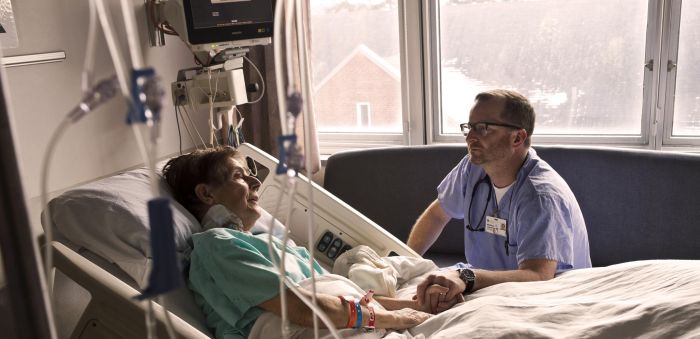
From the high-stakes emergencies to the meticulous patient monitoring, What happens in a critical care hospital? offers a fascinating glimpse into the life-saving world of critical care. Prepare to be amazed by the dedication of healthcare professionals and the cutting-edge technology that powers these lifesaving institutions.
FAQ Compilation
What are some common types of patients treated in critical care hospitals?
Patients with severe injuries, life-threatening illnesses, or those who have undergone complex surgeries are typically treated in critical care units.
How do critical care hospitals handle emergencies?
Critical care hospitals have stringent protocols in place to respond swiftly to emergencies, ensuring that patients receive immediate and life-saving interventions.
What is the role of interdisciplinary collaboration in critical care treatment?
Interdisciplinary collaboration in critical care ensures that patients receive comprehensive and holistic care, combining the expertise of various healthcare professionals to optimize patient outcomes.


