Embark on a journey delving into the fascinating link between migraine headaches and aura, uncovering insights that will captivate your curiosity from the start.
As we unravel the complexities of this relationship, a deeper understanding of how aura influences migraine treatment will come to light.
Migraine Headaches and Aura
Migraine headaches are often accompanied by sensory disturbances known as aura. Aura is a set of symptoms that typically precede or occur alongside the headache phase of a migraine attack.
Relationship between Migraine Headaches and Aura
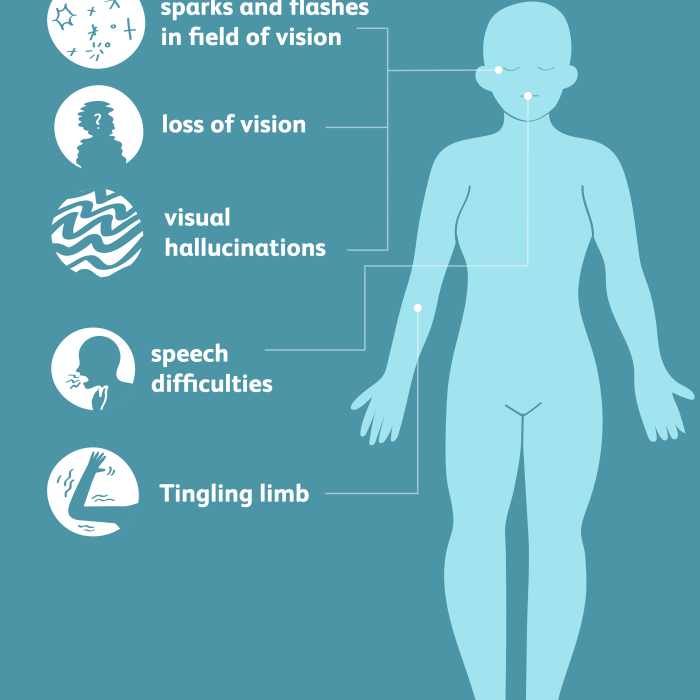
Aura is believed to be caused by changes in the brain’s electrical activity, leading to a cascade of neurological symptoms. It can manifest as visual disturbances, such as seeing flashing lights or zigzag lines, or sensory changes like tingling or numbness in the face or limbs.
Symptoms of Migraines with Aura
- Visual disturbances like seeing shimmering lights or blind spots
- Sensory changes such as tingling or numbness
- Difficulty speaking or understanding language
- Temporary vision loss or distorted perception of objects
Aura’s Impact on Migraine Treatment
The presence of aura may influence the choice of migraine treatment, as some medications are specifically designed to target symptoms like visual disturbances or sensory changes associated with aura. Identifying aura symptoms can help healthcare providers tailor a treatment plan that addresses both the aura and the headache phase of migraines.
Prevalence of Aura in Migraine Sufferers
Around 20-30% of migraine sufferers experience aura before or during their headache attacks. While not all migraines are accompanied by aura, its presence can provide valuable insights into the underlying mechanisms of migraine and aid in the management of the condition.
Health Eczema
Eczema is a common skin condition that causes red, inflamed, and itchy patches on the skin. It can be triggered by a variety of factors, including genetics, environmental allergens, stress, and certain irritants. The impact of eczema on one’s health can be significant, affecting not only physical well-being but also mental health due to discomfort and self-consciousness.
Causes of Eczema
Eczema can be caused by a combination of genetic and environmental factors. Individuals with a family history of eczema, asthma, or allergies are more likely to develop the condition. Environmental triggers such as pollen, pet dander, harsh soaps, and certain fabrics can also exacerbate eczema symptoms.
Common Treatments for Eczema
- Moisturizing regularly to keep the skin hydrated and prevent dryness.
- Using topical corticosteroids or immunomodulators to reduce inflammation.
- Avoiding known triggers such as allergens and irritants.
- Taking antihistamines to relieve itching.
- Phototherapy or light therapy to reduce inflammation and itchiness.
Connection Between Eczema and Other Health Conditions
Eczema is often associated with other health conditions, including asthma and allergic rhinitis. This cluster of conditions is known as the atopic triad and can significantly impact an individual’s quality of life. Managing eczema effectively can help reduce the risk of developing complications from related health conditions.
Tips for Preventing Eczema Flare-ups
- Identify and avoid triggers that worsen eczema symptoms.
- Keep the skin well moisturized to prevent dryness and itching.
- Use mild, fragrance-free skincare products to minimize irritation.
- Practice stress-reducing techniques such as meditation or yoga.
- Maintain a healthy diet rich in fruits, vegetables, and omega-3 fatty acids to support skin health.
Mind Body Spirit
The concept of mind-body-spirit connection emphasizes the interconnectedness of our mental, physical, and spiritual well-being. When these three aspects are in harmony, it can lead to overall wellness and a sense of balance in life.Practices that promote harmony between mind, body, and spirit include mindfulness meditation, yoga, tai chi, and qigong. These practices help individuals cultivate awareness, reduce stress, and improve their emotional and physical health.
Holistic Approaches to Wellness
Holistic approaches to wellness consider the whole person, addressing not only physical symptoms but also mental and emotional well-being. This includes practices such as acupuncture, aromatherapy, and energy healing, which aim to restore balance and promote healing on all levels.
- Acupuncture: This traditional Chinese medicine practice involves inserting thin needles into specific points on the body to stimulate energy flow and promote healing.
- Aromatherapy: The use of essential oils extracted from plants to promote physical, emotional, and spiritual well-being through inhalation or topical application.
- Energy Healing: Modalities such as Reiki and Healing Touch focus on balancing the body’s energy systems to support healing and relaxation.
Impact of Mental Health on Overall Well-being
Mental health plays a crucial role in overall well-being, affecting how we think, feel, and act in our daily lives. Poor mental health can lead to physical symptoms such as headaches, digestive issues, and fatigue, highlighting the importance of addressing mental well-being for holistic health.
Remember, taking care of your mind, body, and spirit is essential for achieving overall wellness and balance in life.
Detoxification
Detoxification is a crucial process that helps rid the body of toxins and harmful substances, promoting overall health and well-being. By eliminating these toxins, the body can function more efficiently and effectively.
Methods of Detoxification
- Cleansing diets: These involve consuming specific foods or drinks to help cleanse the body of toxins.
- Detox drinks: Beverages containing ingredients like lemon, ginger, and turmeric can aid in detoxifying the body.
- Sweating: Activities like saunas, steam rooms, and exercise can help eliminate toxins through sweat.
- Colon cleansing: This process involves flushing out toxins from the colon through various methods.
Benefits of Detox Programs
- Improved digestion and nutrient absorption
- Boosted energy levels
- Enhanced immune function
- Weight loss and management
- Clearer skin and improved complexion
How Detoxification Improves Health
Detoxification helps reduce the burden on organs like the liver and kidneys, allowing them to function optimally. This, in turn, can lead to better overall health and increased vitality.
Dental Care
Maintaining good dental hygiene is crucial for overall health. By practicing good oral hygiene habits, you can prevent common dental issues and maintain a healthy smile. Regular dental check-ups are also essential to catch any problems early and prevent more serious issues down the line. Your oral health is directly connected to your overall health, so taking care of your teeth and gums is important for your well-being.
Tips for Maintaining Good Dental Hygiene
- Brush your teeth at least twice a day with fluoride toothpaste.
- Floss daily to remove plaque and food particles between your teeth.
- Use mouthwash to help kill bacteria and freshen your breath.
- Avoid sugary foods and drinks that can contribute to tooth decay.
- Visit your dentist regularly for cleanings and check-ups.
Common Dental Issues and Treatments
- Tooth decay: Treatments may include fillings, crowns, or root canals, depending on the severity.
- Gum disease: Scaling and root planing, antibiotics, and surgery may be necessary to treat gum disease.
- Tooth sensitivity: Desensitizing toothpaste, fluoride treatments, or dental procedures can help with sensitivity.
- Missing teeth: Options include dental implants, bridges, or dentures to replace missing teeth.
Importance of Regular Dental Check-Ups
Regular dental check-ups are important for early detection of dental issues. Your dentist can spot problems before they become serious and provide treatments to prevent further damage. Additionally, regular cleanings help remove plaque and tartar buildup, reducing the risk of gum disease and tooth decay.
Connection Between Oral Health and Overall Health
Maintaining good oral health is not just about having a nice smile. Poor oral hygiene has been linked to various health problems, including heart disease, diabetes, and respiratory infections. By taking care of your teeth and gums, you are also taking care of your overall health.
Back Pain
Back pain is a common issue that affects many individuals at some point in their lives. It can range from mild discomfort to severe, debilitating pain. Understanding the causes, treatments, prevention, and when to seek medical help for back pain is essential for maintaining overall health and well-being.
Common Causes of Back Pain
- Poor posture
- Muscle strain or sprain
- Herniated or bulging discs
- Arthritis
- Spinal stenosis
Treatments and Remedies for Alleviating Back Pain
- Physical therapy
- Over-the-counter pain medication
- Hot or cold therapy
- Massage therapy
- Regular exercise
Tips for Preventing Back Pain
- Maintain good posture
- Stay active and exercise regularly
- Use proper lifting techniques
- Ergonomic work environment
- Stay hydrated and maintain a healthy weight
When to Seek Medical Help for Back Pain
- Severe pain that does not improve with rest
- Pain accompanied by numbness or tingling
- Difficulty controlling bowel or bladder function
- History of cancer or recent trauma
- Unexplained weight loss
Health Asthma

Asthma is a chronic respiratory condition that affects the airways in the lungs, causing them to become inflamed and narrow. This can lead to symptoms such as wheezing, coughing, chest tightness, and difficulty breathing. Asthma can be triggered by various factors, and managing the condition is essential to prevent asthma attacks and improve overall quality of life.
Common Triggers for Asthma Attacks
- Allergens such as pollen, dust mites, pet dander
- Respiratory infections like the common cold or flu
- Exposure to irritants like tobacco smoke, air pollution, strong odors
- Physical activity or exercise
- Weather changes, cold air
Tips for Managing Asthma Symptoms
- Avoid triggers and allergens that can worsen symptoms
- Take prescribed medications as directed by your healthcare provider
- Use a peak flow meter to monitor lung function
- Create an asthma action plan with your doctor
- Stay physically active and maintain a healthy lifestyle
Role of Medication in Asthma Treatment
- Inhalers: Quick-relief inhalers provide immediate relief during asthma attacks, while long-term control inhalers help manage symptoms and prevent future attacks.
- Steroids: Inhaled corticosteroids reduce inflammation in the airways, making breathing easier.
- Leukotriene modifiers: These medications help prevent asthma symptoms by blocking leukotrienes, which cause inflammation.
- Biologics: For severe asthma cases, biologic medications target specific pathways in the immune system to reduce inflammation and control symptoms.
Health Depression
Depression is a common mental health condition that can affect a person’s thoughts, feelings, and daily life. It can manifest in various ways and impact individuals differently. Recognizing the symptoms of depression is crucial in seeking help and support.
Symptoms of Depression
- Persistent feelings of sadness, hopelessness, or emptiness
- Lack of interest in activities once enjoyed
- Changes in appetite or weight
- Difficulty sleeping or oversleeping
- Fatigue or loss of energy
Types of Depression
- Major Depressive Disorder: Characterized by severe symptoms that interfere with daily life
- Persistent Depressive Disorder: Long-term, chronic depression lasting for two years or more
- Bipolar Disorder: Features periods of intense highs (mania) and lows (depression)
- Seasonal Affective Disorder: Depression that occurs at a specific time of year, often in winter
Coping Strategies for Depression
- Engage in physical activity and exercise regularly
- Practice relaxation techniques such as deep breathing or meditation
- Maintain a healthy diet and get an adequate amount of sleep
- Stay connected with supportive friends and family members
Seeking Professional Help
- If symptoms of depression persist for more than two weeks
- If thoughts of self-harm or suicide are present
- If depression is significantly impacting daily functioning
- If previous coping strategies have not been effective
Headaches Migraines
Headaches and migraines are both common conditions that can cause significant discomfort. While headaches are more generalized pain or pressure in the head, migraines are a type of headache that is usually more severe and often accompanied by other symptoms such as nausea, sensitivity to light and sound, and aura.
Differentiate between headaches and migraines
- Headaches are typically a dull, constant pain in the head, while migraines are throbbing, pulsating pain that can be debilitating.
- Headaches can be triggered by stress, lack of sleep, or dehydration, while migraines often have specific triggers like certain foods, hormonal changes, or environmental factors.
Discuss common triggers for migraines
- Common triggers for migraines include foods like aged cheeses, processed meats, and artificial sweeteners.
- Hormonal changes in women, especially during menstruation or menopause, can trigger migraines.
Share tips for managing migraines
- Keep a migraine diary to track triggers and patterns.
- Practice relaxation techniques like deep breathing or meditation to reduce stress.
- Stay hydrated and maintain a regular sleep schedule.
Explain the role of lifestyle changes in preventing migraines
- Regular exercise can help reduce the frequency and severity of migraines.
- Eating a balanced diet and avoiding trigger foods can also prevent migraines.
- Managing stress through mindfulness practices or therapy can be beneficial in preventing migraines.
Pain Management
Managing pain is essential for improving the quality of life for individuals suffering from various conditions. There are different approaches to pain management, including the use of medication and alternative therapies. A multidisciplinary approach involving healthcare professionals from different fields is crucial for comprehensive pain management.
Medication for Pain Relief
- Over-the-counter pain relievers such as acetaminophen, ibuprofen, and aspirin can help alleviate mild to moderate pain.
- Prescription medications like opioids are often used for severe pain but should be carefully monitored due to the risk of addiction.
- Antidepressants and anti-seizure medications can also be prescribed to manage certain types of chronic pain.
- Topical treatments like creams or patches containing lidocaine or capsaicin can provide localized pain relief.
Alternative Therapies for Managing Pain
- Physical therapy can help improve mobility and reduce pain through exercises, stretches, and manual techniques.
- Acupuncture involves the insertion of thin needles into specific points on the body to help alleviate pain and promote healing.
- Mind-body techniques like meditation, yoga, and deep breathing exercises can help reduce stress and manage pain perception.
- Chiropractic care focuses on spinal alignment and manipulation to relieve pain and improve overall function.
Importance of a Multidisciplinary Approach to Pain Management
- A multidisciplinary approach involves collaboration between healthcare professionals such as doctors, physical therapists, psychologists, and pain management specialists.
- Each professional brings a unique perspective and expertise to the table, allowing for a comprehensive assessment and tailored treatment plan.
- Combining different modalities of treatment can address the physical, emotional, and psychological aspects of pain, leading to better outcomes for patients.
- Education, support, and regular monitoring are essential components of a multidisciplinary approach to ensure effective pain management and improved quality of life.
Sleep Snoring
Snoring is a common condition that occurs when air cannot move freely through the nose and throat during sleep, causing the surrounding tissues to vibrate and produce sound. It can disrupt sleep patterns and lead to various health issues if left untreated.
Causes of Snoring
- Obesity: Excess weight can lead to the narrowing of airways, increasing the likelihood of snoring.
- Nasal Problems: Conditions like sinus infections or nasal congestion can obstruct airflow.
- Alcohol Consumption: Alcohol relaxes the muscles in the throat, making it easier for them to collapse during sleep.
Impact of Snoring on Sleep Quality
Snoring can result in fragmented sleep, leading to daytime fatigue, irritability, and difficulty concentrating. It can also strain relationships with bed partners and contribute to sleep disorders like sleep apnea.
Tips for Reducing Snoring
- Maintain a Healthy Weight: Losing weight can reduce the fatty tissue in the back of the throat, decreasing the likelihood of snoring.
- Sleep on Your Side: Sleeping on your back can cause the tongue and soft palate to collapse to the back of the throat, obstructing airflow.
- Avoid Alcohol and Sedatives: These substances relax the muscles in the throat, worsening snoring.
When Snoring May Indicate a Serious Health Issue
If snoring is accompanied by pauses in breathing, gasping or choking sounds during sleep, excessive daytime sleepiness, or morning headaches, it may be a sign of obstructive sleep apnea. This condition can lead to serious health consequences like high blood pressure, heart disease, and stroke if left untreated.
Self Hypnosis
Self-hypnosis is a technique that allows individuals to tap into their subconscious mind to create positive changes in their thoughts, feelings, and behaviors. It involves inducing a state of focused attention and relaxation, similar to meditation, to access the power of suggestion and visualization.
Benefits of Self-Hypnosis for Mental Health
- Reduction of stress and anxiety levels
- Improvement in self-confidence and self-esteem
- Enhancement of focus and concentration
- Management of phobias and fears
- Boost in overall emotional well-being
Techniques for Practicing Self-Hypnosis
- Find a quiet and comfortable place to sit or lie down
- Close your eyes and take slow, deep breaths to relax your body and mind
- Repeat positive affirmations or visualize a desired outcome
- Focus on a specific goal or intention during the session
- Practice regularly to reinforce the positive effects of self-hypnosis
Self-Hypnosis for Relaxation and Stress Relief
Self-hypnosis can be a powerful tool for relaxation and stress relief. By entering a trance-like state, individuals can release tension, calm their minds, and promote a sense of inner peace. Regular practice of self-hypnosis techniques can help in reducing the impact of stress on both the mind and body, leading to improved overall well-being.
Contraceptives Birth Control
When it comes to contraceptives and birth control methods, there are various options available for individuals to choose from. Each method comes with its own set of benefits and risks, making it important to carefully consider which option is best suited for your needs and lifestyle.
Types of Contraceptives
- Birth Control Pills: Oral contraceptives taken daily to prevent pregnancy.
- Condoms: Barrier method that prevents sperm from reaching the egg.
- Intrauterine Devices (IUDs): Small T-shaped devices inserted into the uterus to prevent pregnancy.
- Birth Control Implants: Small rods inserted under the skin that release hormones to prevent pregnancy.
Benefits and Risks of Birth Control Methods
- Benefits: Prevent unintended pregnancies, regulate menstrual cycles, reduce menstrual cramps.
- Risks: Side effects such as nausea, weight gain, mood changes, increased risk of blood clots.
Choosing the Right Contraceptive Option
- Consider your lifestyle, medical history, and preferences when selecting a birth control method.
- Consult with a healthcare provider to discuss the most suitable option for you.
- Take into account factors like effectiveness, convenience, and potential side effects.
Importance of Discussing Birth Control with a Healthcare Provider
- Healthcare providers can provide personalized advice based on your individual health needs.
- They can help you understand the pros and cons of each contraceptive method.
- Regular discussions with a healthcare provider can ensure that you are using the most effective and safe birth control option.
Men’s Issues
Men’s health is often overlooked, but it is important for men to prioritize their well-being. There are several common health issues that affect men, and it is crucial to address them proactively. Regular health screenings can help detect potential problems early on, leading to better outcomes. Unfortunately, there is still a stigma surrounding men’s health, making it challenging for some men to seek help when needed.
Common Health Issues for Men
- Prostate health: Prostate cancer is a common concern for men, and regular screenings can help detect any issues early.
- Heart disease: Men are at a higher risk of heart disease, so maintaining a healthy lifestyle is essential.
- Erectile dysfunction: This can be a sensitive topic for men, but it is important to address it with a healthcare provider.
- Mental health: Men often face pressure to appear strong and resilient, but it is crucial to prioritize mental well-being and seek help when needed.
Tips for Maintaining Men’s Health
- Exercise regularly and maintain a healthy diet to support overall well-being.
- Stay hydrated and get enough sleep to promote optimal physical and mental health.
- Manage stress through relaxation techniques or hobbies that bring joy and relaxation.
- Stay up to date on recommended health screenings and vaccinations to prevent illnesses.
Importance of Regular Health Screenings for Men
Regular health screenings can help detect potential health issues early on, allowing for timely intervention and treatment. This proactive approach can lead to better health outcomes and a higher quality of life. By prioritizing regular check-ups and screenings, men can take control of their health and well-being.
Stigma Surrounding Men’s Health
There is a stigma surrounding men’s health that often discourages men from seeking help when needed. This stigma can have serious consequences, as delayed treatment can lead to more severe health issues. It is important to break down this stigma and encourage open conversations about men’s health to ensure that all men feel supported in prioritizing their well-being.
Mood Disorders
Mood disorders are a group of conditions that affect a person’s emotional state and overall well-being. These disorders can have a significant impact on daily life, relationships, and overall functioning. It is essential to understand the different types of mood disorders, their symptoms, and available treatment options to effectively manage them.
Types of Mood Disorders
- Major Depressive Disorder: Characterized by persistent feelings of sadness, hopelessness, and loss of interest in activities.
- Bipolar Disorder: Involves extreme mood swings, including periods of mania and depression.
- Anxiety Disorders: While not exclusively mood disorders, anxiety can significantly impact mood and overall emotional well-being.
- Seasonal Affective Disorder: Occurs with changes in seasons, often leading to symptoms of depression during winter months.
Symptoms and Impact
- Symptoms may include persistent sadness, irritability, changes in appetite, sleep disturbances, and lack of energy.
- Mood disorders can impact daily life by affecting relationships, work performance, and overall quality of life.
- Individuals may experience social withdrawal, difficulty concentrating, and feelings of hopelessness.
Treatment Options
- Psychotherapy: Talk therapy can help individuals understand their emotions, develop coping strategies, and build resilience.
- Medication: Antidepressants and mood stabilizers may be prescribed to manage symptoms of mood disorders.
- Lifestyle Changes: Regular exercise, healthy diet, and stress management techniques can help improve mood and overall well-being.
Seeking Professional Help
- It is crucial to seek professional help if you or someone you know is experiencing symptoms of a mood disorder.
- A mental health professional can provide an accurate diagnosis, develop a treatment plan, and offer ongoing support.
- Early intervention and treatment can significantly improve outcomes and quality of life for individuals with mood disorders.
Health and Fitness
Living a healthy lifestyle is crucial for overall well-being. It involves a balanced combination of proper nutrition, regular exercise, and maintaining mental health. By taking care of our bodies and minds, we can improve our quality of life and reduce the risk of various health issues.Regular physical activity is essential for maintaining good health. It not only helps in managing weight but also reduces the risk of chronic diseases such as heart disease, diabetes, and certain types of cancer.
Exercise also plays a significant role in boosting mood, reducing stress, and improving sleep quality.
Importance of Fitness in Daily Routine
- Start with small changes like taking the stairs instead of the elevator or going for a walk during lunch breaks.
- Set specific fitness goals to stay motivated and track progress.
- Find activities you enjoy to make exercise a fun and sustainable part of your routine.
- Include a mix of cardiovascular, strength training, and flexibility exercises for overall fitness.
Benefits of Regular Physical Activity on Health
- Improved cardiovascular health and reduced risk of heart disease.
- Enhanced muscle strength, endurance, and flexibility.
- Better mood regulation and reduced risk of depression and anxiety.
- Increased energy levels and improved sleep quality.
Connection Between Nutrition, Exercise, and Mental Health
- A balanced diet rich in nutrients supports overall health and fitness goals.
- Proper nutrition fuels the body for exercise and aids in muscle recovery.
- Regular exercise releases endorphins, improving mood and reducing stress.
- Healthy eating habits and physical activity contribute to better mental health and overall well-being.
Critical Care
Critical care in healthcare involves the specialized treatment and monitoring of patients who are in life-threatening conditions and require intensive medical attention. This type of care is provided in critical care units or intensive care units (ICUs) in hospitals.
Role of Critical Care in Saving Lives
Critical care plays a crucial role in saving lives by closely monitoring and managing patients with severe illnesses or injuries. This level of care ensures timely interventions, such as administering medications, providing life support, and monitoring vital signs, to stabilize patients and improve their chances of survival.
- Critical care teams are trained to respond quickly to changes in a patient’s condition, making critical decisions to address emergencies promptly.
- The use of advanced medical technology and equipment in critical care units helps in providing the necessary interventions to support vital organ functions.
- Specialized nursing care and round-the-clock monitoring in critical care settings contribute to better outcomes for patients facing life-threatening situations.
Challenges Faced in Critical Care Settings
Working in critical care settings presents various challenges due to the high-stress environment and the complexity of treating critically ill patients. Some of the challenges include:
- Managing multiple patients with different medical needs simultaneously, requiring efficient coordination among healthcare providers.
- Dealing with unpredictable situations and sudden changes in patients’ conditions, necessitating quick decision-making and interventions.
- Coping with emotional stress and burnout from caring for patients in critical conditions, which can impact the well-being of healthcare professionals.
Importance of Specialized Training for Critical Care Providers
Specialized training is essential for healthcare professionals working in critical care settings to ensure they have the knowledge and skills to deliver optimal care to critically ill patients. Some key points include:
- Training in critical care equips healthcare providers with expertise in managing complex medical conditions, interpreting critical data, and performing life-saving procedures.
- Continuous education and training help critical care providers stay updated on the latest advancements in critical care medicine and enhance their clinical skills.
- Specialized training also focuses on improving communication and teamwork among members of the critical care team, promoting effective collaboration in delivering patient care.
Health Exercise
Regular exercise is essential for maintaining good health and overall well-being. It offers a wide range of benefits, including increased cardiovascular health, improved mood, enhanced muscle strength, and better weight management. In addition, exercise can help reduce the risk of chronic diseases such as heart disease, diabetes, and obesity.
Benefits of Regular Exercise
- Improves cardiovascular health by strengthening the heart and improving circulation
- Boosts mood and mental health by releasing endorphins, the body’s natural feel-good chemicals
- Increases muscle strength and endurance, leading to better overall physical performance
- Aids in weight management by burning calories and increasing metabolism
- Reduces the risk of chronic diseases like heart disease, diabetes, and obesity
Starting and Maintaining an Exercise Routine
- Start slowly and gradually increase the intensity and duration of your workouts
- Choose activities that you enjoy to make exercise more sustainable in the long run
- Set realistic goals and track your progress to stay motivated
- Find a workout buddy or join a fitness class for added accountability and support
Different Types of Exercise and Their Impact
- Aerobic exercise, such as running or cycling, improves cardiovascular health and endurance
- Strength training, like weightlifting, builds muscle mass and increases metabolism
- Flexibility exercises, such as yoga or stretching, enhance range of motion and reduce the risk of injury
- Balance exercises, like tai chi, help prevent falls and improve stability
Importance of Balancing Exercise with Rest and Recovery
- Rest days are crucial for allowing the body to repair and rebuild muscle tissue
- Listen to your body and take breaks when needed to prevent overtraining and injuries
- Get an adequate amount of sleep to support muscle recovery and overall health
- Incorporate activities like yoga or meditation for relaxation and stress relief
Health Holistic
Holistic health is an approach to healthcare that considers the whole person – body, mind, and spirit. It focuses on achieving balance and overall well-being by addressing the root causes of health issues rather than just treating symptoms.
Principles of Holistic Health
- Individuality: Recognizing that each person is unique and requires personalized care.
- Prevention: Emphasizing the importance of preventing health issues before they arise.
- Integration: Integrating conventional and alternative therapies for comprehensive treatment.
- Connection: Understanding the interconnectedness of body, mind, and spirit in health and healing.
Benefits of a Holistic Approach
- Improved overall health and well-being.
- Reduced reliance on medication and invasive treatments.
- Enhanced immune function and disease prevention.
- Increased energy and vitality.
Holistic Practices for Improving Health
- Acupuncture: Stimulating specific points on the body to promote healing.
- Yoga and Meditation: Combining physical postures with mindfulness for stress reduction and mental clarity.
- Nutritional Therapy: Using food as medicine to address nutritional deficiencies and support overall health.
- Herbal Medicine: Incorporating natural remedies to treat various health conditions.
Mind-Body-Spirit Connection in Holistic Health
Holistic health recognizes the interconnectedness of the body, mind, and spirit in overall well-being. Emotional, mental, and spiritual factors are considered alongside physical health in diagnosis and treatment. Practices such as mindfulness, meditation, and energy healing are used to address imbalances and promote optimal health.
Anti Aging
Aging is a natural process that affects everyone as they grow older. Common signs of aging include wrinkles, fine lines, sagging skin, age spots, and loss of skin elasticity. These signs are primarily caused by a combination of factors such as genetics, sun exposure, lifestyle choices, and environmental factors.
Tips for Anti-Aging Skincare and Lifestyle
- Avoid excessive sun exposure and always wear sunscreen to protect your skin from harmful UV rays.
- Stay hydrated by drinking plenty of water to maintain skin elasticity and hydration.
- Eat a balanced diet rich in antioxidants, vitamins, and minerals to promote skin health and combat signs of aging.
- Get an adequate amount of sleep to allow your skin to repair and regenerate overnight.
- Incorporate anti-aging skincare products such as retinol, vitamin C serums, and hyaluronic acid to target specific skin concerns.
Genetics and Lifestyle in the Aging Process
Genetics play a significant role in determining how quickly and visibly we age, but lifestyle choices can also impact the aging process. Factors such as smoking, poor diet, lack of exercise, and stress can accelerate the signs of aging.
Effectiveness of Anti-Aging Treatments and Products
- Anti-aging treatments like botox, dermal fillers, chemical peels, and laser therapy can help reduce the appearance of wrinkles and fine lines.
- Topical creams and serums containing ingredients like peptides, antioxidants, and growth factors can improve skin texture and tone.
- Regular facials, microdermabrasion, and microneedling can promote collagen production and skin rejuvenation.
- It’s important to consult with a dermatologist or skincare professional to determine the most effective anti-aging treatment plan for your specific needs.
Healthcare Systems
In today’s discussion, we will delve into the fascinating world of healthcare systems. We will explore different systems from around the globe, highlighting their strengths and weaknesses, discussing the crucial aspects of access and affordability, and emphasizing the importance of continuous improvement in healthcare.
Different Healthcare Systems
- The National Health Service (NHS) in the United Kingdom provides universal healthcare coverage funded through taxation, ensuring access to essential medical services for all residents.
- The United States has a predominantly private healthcare system, with a mix of employer-sponsored insurance, government programs like Medicare and Medicaid, and individual market plans.
- In Germany, the healthcare system is based on social insurance, where contributions are made by both employees and employers to fund healthcare services for all citizens.
Strengths and Weaknesses of Healthcare Systems
- Strengths: Universal coverage ensures that all individuals have access to necessary medical care, promoting overall public health and well-being.
- Weaknesses: Some systems may face challenges such as long wait times for non-emergency procedures, limited choice of providers, and disparities in access based on socio-economic factors.
Healthcare Access and Affordability
- Ensuring equitable access to healthcare services is crucial for promoting population health and reducing disparities in health outcomes.
- Affordability of healthcare services is essential to prevent financial barriers that may prevent individuals from seeking necessary medical care.
Continuous Improvement in Healthcare Systems
- Continuous improvement in healthcare systems involves ongoing evaluation, feedback, and implementation of changes to enhance efficiency, quality, and patient outcomes.
- Utilizing technology, evidence-based practices, and patient-centered care approaches can contribute to the advancement of healthcare systems.
Health Hemorrhoids
Hemorrhoids, also known as piles, are swollen and inflamed veins in the rectum and anus that can cause discomfort and bleeding. They can be internal (inside the rectum) or external (under the skin around the anus). Common causes of hemorrhoids include straining during bowel movements, chronic constipation or diarrhea, obesity, and pregnancy.
Symptoms and Treatment Options
- Symptoms of hemorrhoids may include pain, itching, swelling, and bleeding during bowel movements.
- Treatment options for hemorrhoids include over-the-counter creams, ointments, and suppositories to reduce pain and inflammation.
- Increasing fiber intake, staying hydrated, and practicing good bathroom habits can help alleviate symptoms.
- In severe cases, procedures such as rubber band ligation, sclerotherapy, or surgery may be necessary.
Prevention and Management Tips
- Avoid straining during bowel movements by maintaining a high-fiber diet and staying hydrated.
- Practice good hygiene by keeping the anal area clean and dry.
- Avoid sitting or standing for long periods and engage in regular physical activity to improve circulation.
- Avoid lifting heavy objects and maintain a healthy weight to reduce pressure on the rectal veins.
When Medical Intervention is Necessary
- If symptoms persist despite home remedies, or if there is severe pain, bleeding, or prolapse of the hemorrhoids, seek medical attention.
- A healthcare provider may recommend a physical exam, colonoscopy, or other tests to diagnose and determine the best course of treatment.
- In some cases, prescription medications or procedures may be necessary to manage hemorrhoids effectively.
Final Conclusion
In conclusion, the intricate interplay between migraine headaches and aura offers a unique perspective on managing and treating these conditions effectively, leaving you with a newfound appreciation for the complexities of neurological health.
Question & Answer Hub
Are migraines with aura more severe than migraines without aura?
Migraines with aura are not necessarily more severe, but they often come with additional sensory disturbances like visual disturbances or tingling sensations.
Can aura occur without a subsequent migraine headache?
Yes, aura can sometimes happen on its own without being followed by a migraine headache.
Is aura always a precursor to a migraine attack?
Not always. While aura is commonly associated with migraines, it doesn’t always lead to a full-blown migraine episode.


