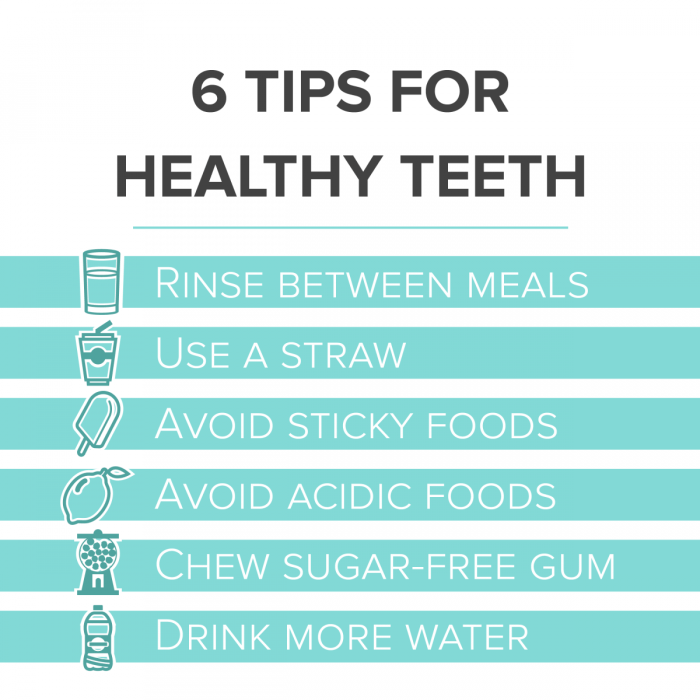
Embark on a journey to optimal oral health with our guide on Dental hygiene tips for healthy teeth. From daily practices to choosing the right products, we’ve got you covered for a sparkling smile!
Unveil the secrets to maintaining healthy teeth and gums with our expert tips and tricks. Let’s dive into the world of dental hygiene and discover how to keep your pearly whites shining bright!
Dental Hygiene Tips for Healthy Teeth
Maintaining good dental hygiene is crucial for overall oral health and preventing issues like cavities, gum disease, and bad breath. By following a few simple practices every day, you can keep your teeth and gums healthy for years to come.
Essential Daily Dental Hygiene Practices
- Brush your teeth at least twice a day, in the morning and before bed, using a fluoride toothpaste.
- Floss daily to remove food particles and plaque from between your teeth and along the gumline.
- Rinse with an antiseptic mouthwash to kill bacteria and freshen your breath.
- Avoid sugary foods and drinks that can contribute to tooth decay.
Benefits of Regular Dental Check-ups
Scheduling regular dental check-ups with your dentist is essential for maintaining good oral health. During these visits, your dentist can detect early signs of dental issues, provide professional cleanings, and offer personalized advice for your specific needs.
Choosing the Right Toothbrush and Toothpaste
- Opt for a toothbrush with soft bristles to avoid damaging your gums and enamel.
- Select a toothpaste with fluoride to strengthen your tooth enamel and prevent cavities.
- Consider using an electric toothbrush for a more effective clean, especially if you have trouble with manual brushing.
Health Eczema
Eczema is a common skin condition that causes inflammation and irritation. It can appear in various forms and affect people of all ages. Managing and preventing eczema flare-ups is essential for maintaining healthy skin.
Common Symptoms of Eczema
- Red, inflamed skin
- Itching
- Dry, scaly patches
- Blisters
- Crusting
Potential Triggers for Eczema Flare-ups
- Allergens like pollen, pet dander, or dust mites
- Irritants such as soaps, detergents, or perfumes
- Stress
- Extreme temperatures
- Sweating
Tips for Managing and Preventing Eczema
- Avoid known triggers
- Moisturize regularly with a gentle, fragrance-free lotion
- Use mild, non-irritating soaps and detergents
- Avoid scratching affected areas
- Wear soft, breathable fabrics
Importance of Moisturizing in Eczema Care
Moisturizing is crucial in eczema care as it helps to hydrate the skin, reduce inflammation, and prevent flare-ups. Opt for thick, ointment-based moisturizers to create a protective barrier on the skin and lock in moisture. Consistent moisturizing can improve skin health and alleviate eczema symptoms.
Mind Body Spirit
When it comes to overall health, the connection between the mind, body, and spirit plays a crucial role in maintaining a harmonious balance. Taking care of each aspect is essential for a healthy and fulfilling life.
Practices for a Healthy Mind-Body-Spirit Balance
- A regular practice of mindfulness meditation can help in reducing stress and anxiety levels, promoting mental clarity and emotional well-being.
- Engaging in physical activities like yoga, tai chi, or dance not only improves physical health but also enhances mental focus and spiritual connection.
- Socializing and building strong relationships with friends and family members can provide emotional support and a sense of belonging, contributing to overall well-being.
Techniques for Relaxation and Stress Reduction
- Deep breathing exercises, such as diaphragmatic breathing, can help calm the mind and reduce stress levels instantly.
- Progressive muscle relaxation involves tensing and relaxing different muscle groups in the body, promoting physical relaxation and stress relief.
- Practicing visualization techniques, where you imagine a peaceful and calming place, can help in reducing anxiety and promoting a sense of tranquility.
Spiritual Well-being and its Impact on Health
- Engaging in spiritual practices such as prayer, meditation, or connecting with nature can provide a sense of purpose and meaning in life, leading to improved mental and emotional health.
- Having a strong spiritual foundation can help individuals cope with challenging situations, fostering resilience and inner strength.
- Studies have shown that individuals with a strong sense of spiritual well-being tend to have better overall health outcomes and a higher quality of life.
Detoxification
Detoxifying the body is a process that helps eliminate toxins and impurities, allowing the organs to function more efficiently. It can improve overall health, boost energy levels, and promote better digestion.
Methods of Detoxification
- Cleanse diets: These involve consuming specific foods or liquids to help eliminate toxins from the body.
- Colon cleansing: This method involves flushing out the colon to remove built-up waste and toxins.
- Sauna therapy: Sweating in a sauna helps the body release toxins through the skin.
- Detox supplements: Certain supplements can support the body’s natural detoxification processes.
Tips for a Safe and Effective Detox Process
- Stay hydrated: Drink plenty of water to help flush out toxins.
- Eat a balanced diet: Include whole foods, fruits, and vegetables to support detoxification.
- Get enough sleep: Rest is crucial for the body to repair and detoxify.
- Avoid alcohol and processed foods: These can hinder the detox process.
- Exercise regularly: Physical activity can help the body eliminate toxins through sweat and circulation.
Importance of Consulting a Healthcare Professional Before Detoxifying
It is essential to consult a healthcare professional before starting a detox program to ensure it is safe and suitable for your individual health needs. They can provide guidance on the best methods for detoxification based on your medical history and current health status.
Dental Care
Maintaining good oral health is crucial for overall well-being. Poor dental hygiene can lead to various health issues beyond just tooth decay and gum disease. By taking care of your teeth and gums, you can prevent not only cavities and bad breath but also reduce the risk of heart disease, stroke, and other systemic conditions.
Importance of Oral Health
- Brush your teeth at least twice a day with fluoride toothpaste to remove plaque and prevent cavities.
- Floss daily to clean between teeth and prevent gum disease.
- Limit sugary and acidic foods and drinks to protect your teeth from decay.
- Visit your dentist regularly for check-ups and professional cleanings to maintain oral health.
Connection Between Dental Health and Overall Health
Research has shown that poor oral health is linked to various systemic conditions, including cardiovascular disease, diabetes, and respiratory infections.
- Periodontal disease has been associated with an increased risk of heart disease and stroke.
- Untreated cavities and gum infections can contribute to systemic inflammation and affect overall health.
- Regular dental check-ups can help detect early signs of systemic conditions through oral symptoms.
Common Dental Procedures and Treatments
Common dental procedures and treatments aim to restore oral health, improve aesthetics, and prevent further complications.
| Procedure | Purpose |
|---|---|
| Fillings | To repair cavities and restore tooth structure. |
| Root Canal Therapy | To treat infected or damaged tooth pulp and save the tooth. |
| Extractions | To remove severely damaged or impacted teeth. |
| Dental Implants | To replace missing teeth and restore function and aesthetics. |
Back Pain
Back pain is a common issue that can affect people of all ages and lifestyles. It can be caused by a variety of factors, from poor posture to underlying medical conditions. Managing and preventing back pain is crucial for maintaining overall health and well-being.
Common Causes of Back Pain
- Poor posture: Slouching or hunching over for extended periods can strain the muscles and ligaments in the back, leading to pain.
- Strain or injury: Lifting heavy objects improperly or sudden movements can cause muscle strains or sprains in the back.
- Obesity: Excess weight puts added stress on the spine and can contribute to back pain.
- Sedentary lifestyle: Lack of physical activity weakens the muscles that support the spine, increasing the risk of back pain.
Tips for Preventing and Managing Back Pain
- Practice good posture: Sit and stand up straight to maintain the natural curve of your spine.
- Stay active: Regular exercise, such as walking or swimming, can strengthen the back muscles and reduce the risk of pain.
- Lift objects properly: Bend at the knees and use your legs to lift heavy objects, rather than bending at the waist.
- Use ergonomic furniture: Chairs and desks that support good posture can help prevent back pain.
Importance of Good Posture and Ergonomics
Maintaining good posture and ergonomics is essential for preventing back pain and promoting overall spinal health. Proper alignment of the spine reduces strain on the muscles and ligaments, decreasing the likelihood of pain and discomfort.
When to Seek Medical Help for Back Pain
If back pain persists or is accompanied by other symptoms, such as numbness or weakness in the legs, it is important to seek medical attention. A healthcare provider can help diagnose the underlying cause of the pain and recommend appropriate treatment options.
Health Asthma
Asthma is a chronic respiratory condition that affects millions of people worldwide. It is characterized by inflammation and narrowing of the airways, leading to symptoms such as wheezing, shortness of breath, coughing, and chest tightness. Common triggers of asthma include allergens, respiratory infections, exercise, cold air, and irritants like smoke.
Common Symptoms and Triggers of Asthma
- Asthma symptoms: wheezing, shortness of breath, coughing, chest tightness
- Common triggers: allergens, respiratory infections, exercise, cold air, smoke
Different Types of Asthma and Management
- Allergic asthma: triggered by allergens, managed with avoidance and medications
- Non-allergic asthma: triggered by factors like stress, exercise, or cold air, managed with medications
- Exercise-induced asthma: triggered by physical activity, managed with pre-exercise medication
- Occupational asthma: triggered by workplace irritants, managed by avoiding exposure
Tips for Living Well with Asthma
- Identify and avoid triggers
- Take medication as prescribed by your doctor
- Have a written asthma action plan
- Monitor your symptoms regularly
- Stay physically active within your limits
Importance of Having an Asthma Action Plan
Having an asthma action plan is crucial for managing asthma effectively. It provides guidance on how to recognize and respond to worsening symptoms, when to adjust medications, and when to seek medical help. By following an asthma action plan, individuals with asthma can better control their condition and reduce the risk of severe asthma attacks.
Health Depression
Depression is a common mental health disorder that can have a significant impact on a person’s daily life. It is characterized by feelings of sadness, hopelessness, and a loss of interest in activities once enjoyed. In severe cases, depression can lead to thoughts of self-harm or suicide.
Symptoms and Effects of Depression
- Persistent feelings of sadness
- Lack of energy and motivation
- Changes in appetite or weight
- Difficulty concentrating
- Sleep disturbances
- Feelings of worthlessness or guilt
Treatment Options for Depression
- Therapy: Cognitive-behavioral therapy (CBT), interpersonal therapy, and psychodynamic therapy are common approaches.
- Medication: Antidepressants can help regulate brain chemistry and improve symptoms.
- Lifestyle changes: Regular exercise, healthy diet, and stress management techniques can support overall well-being.
Tips for Supporting Mental Health and Well-being
- Stay connected with friends and family
- Engage in activities that bring joy and relaxation
- Practice mindfulness and meditation
- Seek professional help if needed
The Importance of Seeking Professional Help for Depression
- Professional therapists and psychiatrists can provide tailored treatment plans
- Early intervention can prevent the worsening of symptoms
- Therapeutic support can offer coping strategies and emotional guidance
Headaches Migraines

Headaches and migraines are common conditions that can significantly impact quality of life. While headaches are usually less severe than migraines, both can be debilitating if not managed properly.
Types of Headaches and Migraines
- Tension headaches: Often caused by stress, poor posture, or eye strain. They usually present as a dull, constant ache on both sides of the head.
- Migraines: Characterized by intense, throbbing pain, usually on one side of the head. Migraines can be accompanied by nausea, vomiting, and sensitivity to light and sound.
- Cluster headaches: Extremely painful headaches that occur in clusters, often around one eye. They can last from weeks to months and then disappear for a period of time.
Tips for Managing and Preventing Headaches
- Maintain good posture and take regular breaks if you work on a computer.
- Stay hydrated and ensure you’re getting enough sleep.
- Avoid trigger foods like caffeine, alcohol, and processed meats.
- Practice relaxation techniques such as deep breathing or meditation.
Common Triggers for Headaches and Migraines
- Stress: One of the most common triggers for headaches and migraines.
- Environmental factors: Bright lights, loud noises, or strong odors can trigger migraines in some individuals.
- Diet: Certain foods like aged cheeses, chocolate, and artificial sweeteners can trigger migraines in susceptible individuals.
When to Seek Medical Attention for Severe Headaches
- If you experience the worst headache of your life, especially if it comes on suddenly.
- If your headache is accompanied by a fever, stiff neck, or confusion.
- If you have a history of headaches but suddenly experience a different type of headache.
Pain Management
When it comes to managing pain, there are various approaches that can help individuals cope with chronic pain and improve their quality of life. From medications to therapies and alternative techniques, finding the right combination of treatments can make a significant difference in managing pain effectively.
Different Approaches to Pain Management
- Medications: Pain relievers such as acetaminophen, NSAIDs, and opioids can help alleviate pain symptoms.
- Therapies: Physical therapy, occupational therapy, and cognitive-behavioral therapy can assist in managing pain and improving function.
- Alternative Techniques: Acupuncture, massage therapy, yoga, and meditation are non-traditional approaches that can provide pain relief and promote relaxation.
Tips for Coping with Chronic Pain
- Stay Active: Engaging in regular physical activity can help reduce pain and improve overall health.
- Maintain a Healthy Diet: Eating a balanced diet can reduce inflammation and support overall well-being.
- Practice Stress-Management Techniques: Relaxation exercises, deep breathing, and mindfulness can help lower stress levels and manage pain.
Role of Medications and Therapies in Pain Management
- Medications: Different types of pain require different medications, so it’s important to work with a healthcare provider to find the right treatment.
- Therapies: Physical and occupational therapies can improve mobility and function, while cognitive-behavioral therapy can help change negative thought patterns related to pain.
Alternative Pain Management Techniques
- Acupuncture: This ancient practice involves inserting thin needles into specific points on the body to relieve pain and promote healing.
- Massage Therapy: Manipulating the body’s soft tissues can help reduce muscle tension and improve circulation, leading to pain relief.
- Yoga: Practicing yoga can increase flexibility, strength, and relaxation, which can all contribute to pain reduction.
Sleep Snoring
Snoring can be a common issue that affects both the snorer and their sleeping partner. It occurs when the flow of air through the mouth and nose is obstructed during sleep, leading to vibrations in the throat tissues. This can result in poor sleep quality for both individuals involved.
Causes of Snoring
- Obesity: Excess weight can lead to the narrowing of airways, causing snoring.
- Nasal congestion: Allergies or sinus issues can obstruct airflow, leading to snoring.
- Alcohol consumption: Relaxation of throat muscles due to alcohol can increase the likelihood of snoring.
Effects of Snoring
- Daytime fatigue and drowsiness due to disrupted sleep patterns.
- Strain on relationships with sleeping partners due to noise disturbances.
- Potential long-term health risks, such as high blood pressure and heart problems.
Tips for Reducing Snoring
- Sleep on your side instead of your back to reduce the likelihood of snoring.
- Maintain a healthy weight through diet and exercise to alleviate airway obstruction.
- Stay hydrated and avoid alcohol consumption close to bedtime.
Link to Health Conditions
- Snoring can be a symptom of sleep apnea, a serious sleep disorder that requires medical attention.
- Chronic snoring may also indicate underlying health issues such as allergies or nasal congestion.
Self Hypnosis
Self-hypnosis is a technique that allows individuals to tap into their subconscious mind to create positive changes in thoughts, feelings, and behaviors. By inducing a state of deep relaxation, self-hypnosis can help individuals access their inner resources and make desired changes.
How Self-Hypnosis Works
- Find a quiet and comfortable place to sit or lie down.
- Close your eyes and take slow, deep breaths to relax your body and mind.
- Repeat a positive affirmation or visualization to focus your mind.
- Use a calming voice or recorded script to guide yourself into a hypnotic state.
Benefits of Self-Hypnosis
- Reduced stress and anxiety levels.
- Improved self-confidence and self-esteem.
- Enhanced focus and concentration.
- Overcoming negative habits or behaviors.
Self-Hypnosis Techniques for Relaxation
- Progressive Muscle Relaxation: Focus on tensing and relaxing each muscle group in your body.
- Visualization: Imagine yourself in a peaceful and serene place to promote relaxation.
- Guided Imagery: Follow a recorded script to visualize positive outcomes and reduce stress.
Contraceptives Birth Control
Contraceptives and birth control methods play a crucial role in family planning and reproductive health. It is essential to understand the different options available, their effectiveness, and potential side effects to make an informed decision.
Types of Contraceptives
- Oral Contraceptives: Commonly known as “the pill,” this method involves taking a daily dose of hormones to prevent pregnancy.
- Condoms: A barrier method that not only prevents pregnancy but also protects against sexually transmitted infections.
- Implants: Small rods inserted under the skin that release hormones to prevent ovulation.
- IUDs: Intrauterine devices are inserted into the uterus and can be hormonal or non-hormonal.
Effectiveness and Side Effects
- Oral contraceptives are highly effective when taken correctly but may have side effects like nausea, weight gain, and mood changes.
- Condoms are effective in preventing pregnancy and STIs, but improper use can reduce their effectiveness.
- Implants and IUDs are long-lasting and reliable methods with minimal side effects, but they may cause irregular bleeding or cramping.
Choosing the Right Birth Control Method
- Consider your lifestyle, health history, and preferences when choosing a birth control method.
- Consult with a healthcare provider to discuss your options and determine the most suitable method for you.
- Be aware of the effectiveness, side effects, and maintenance requirements of each contraceptive method before making a decision.
Importance of Consulting a Healthcare Provider
- It is crucial to seek advice from a healthcare provider before starting any birth control method to ensure it is safe and suitable for you.
- A healthcare provider can help you understand the risks and benefits of different contraceptives and address any concerns you may have.
- Regular check-ups and follow-ups with your healthcare provider are essential to monitor the effectiveness and any potential side effects of your chosen birth control method.
Men’s Issues
Men’s health is an important topic that often gets overlooked. It is crucial for men to be proactive about their health and well-being in order to prevent and address any potential issues that may arise. Regular health check-ups are essential for early detection and treatment of common health issues that affect men. By openly addressing men’s health concerns, we can break the stigma surrounding seeking help and promote overall well-being.
Common Health Issues Affecting Men
- Cardiovascular Disease: Men are at a higher risk of heart disease compared to women. It is important to maintain a healthy diet, exercise regularly, and manage stress to reduce this risk.
- Prostate Health: Prostate cancer is a common concern for men as they age. Regular screenings and discussions with healthcare providers can help in early detection and treatment.
- Mental Health: Men are less likely to seek help for mental health issues. It is important to openly discuss feelings and emotions to prevent conditions like depression and anxiety.
Importance of Regular Health Check-ups
Regular health check-ups play a crucial role in maintaining men’s health. These check-ups can help in early detection of any underlying health issues and ensure timely intervention. By staying proactive and scheduling regular appointments with healthcare providers, men can take control of their health and well-being.
Tips for Maintaining Men’s Health
- Stay Active: Regular exercise is important for overall health and well-being. Aim for at least 30 minutes of physical activity each day.
- Eat a Balanced Diet: A diet rich in fruits, vegetables, whole grains, and lean proteins can help maintain optimal health.
- Manage Stress: Stress can have a negative impact on both physical and mental health. Practice relaxation techniques and seek support when needed.
Openly Addressing Men’s Health Concerns
It is essential for men to openly address their health concerns without fear or stigma. By seeking help when needed and prioritizing their well-being, men can lead healthier and happier lives. Open communication with healthcare providers, friends, and family members can make a significant difference in addressing men’s health issues effectively.
Mood Disorders
Mood disorders like depression and anxiety are common mental health conditions that can significantly impact a person’s quality of life. These disorders can affect how a person thinks, feels, and behaves, leading to various symptoms and effects on daily functioning.
Depression
- Feelings of sadness, hopelessness, or emptiness
- Loss of interest in activities once enjoyed
- Changes in appetite or weight
- Difficulty sleeping or oversleeping
- Fatigue or lack of energy
- Difficulty concentrating or making decisions
Anxiety
- Excessive worry or fear
- Restlessness or irritability
- Muscle tension
- Panic attacks
- Difficulty controlling feelings of worry
- Avoidance of situations that trigger anxiety
Managing Mood Disorders
- Seek professional help from a therapist or psychiatrist
- Practice self-care activities like exercise, healthy eating, and relaxation techniques
- Engage in social support networks and talk to trusted friends or family members
- Consider medication prescribed by a healthcare provider if necessary
- Attend support groups or therapy sessions to learn coping skills
Destigmatizing Mental Health
- Normalize conversations about mental health to reduce shame and stigma
- Educate others about the prevalence and impact of mood disorders
- Show empathy and support to individuals struggling with mental health issues
- Advocate for mental health awareness and resources in your community
- Encourage open dialogue and understanding around mental health challenges
Health and Fitness
Regular exercise and a balanced diet play a crucial role in maintaining overall health and fitness. By incorporating physical activity and healthy eating habits into your daily routine, you can improve your well-being and quality of life.
Incorporating Exercise into a Healthy Lifestyle
Regular physical activity is essential for maintaining a healthy weight, reducing the risk of chronic diseases, and improving mental health. Here are some tips for incorporating exercise into your daily routine:
- Choose activities that you enjoy, such as walking, cycling, swimming, or dancing.
- Set realistic goals and create a workout schedule that fits your lifestyle.
- Include a variety of exercises to target different muscle groups and prevent boredom.
- Stay hydrated and listen to your body to avoid overexertion or injury.
- Find a workout buddy or join a fitness class to stay motivated and accountable.
Benefits of Regular Physical Activity
Regular physical activity has numerous benefits for overall health, including:
- Improved cardiovascular health and reduced risk of heart disease.
- Weight management and increased metabolism.
- Stronger muscles and bones, reducing the risk of osteoporosis.
- Enhanced mood and reduced stress levels.
- Improved sleep quality and energy levels.
Healthy Eating Habits for Fitness and Well-being
Eating a balanced diet is essential for fueling your body and supporting your fitness goals. Here are some examples of healthy eating habits for fitness and well-being:
- Include a variety of fruits, vegetables, whole grains, lean proteins, and healthy fats in your meals.
- Avoid processed foods, sugary drinks, and excessive salt and sugar intake.
- Stay hydrated by drinking plenty of water throughout the day.
- Practice portion control and mindful eating to prevent overeating.
- Plan and prepare meals ahead of time to make healthy choices easier.
Critical Care
Critical care in healthcare refers to the specialized medical care provided to patients facing life-threatening conditions or severe injuries. This type of care is delivered in the intensive care unit (ICU) of hospitals by a team of highly trained healthcare professionals.
Role of Critical Care
Critical care plays a crucial role in stabilizing patients with serious medical conditions, such as heart attacks, strokes, severe infections, or major trauma. The goal is to provide immediate and intensive treatment to support vital organ functions and prevent further complications.
- Monitoring vital signs and responding to any changes promptly.
- Administering medications to manage pain, control infections, or support organ function.
- Performing emergency procedures, such as intubation or inserting central lines.
- Utilizing advanced medical technologies, such as ventilators or dialysis machines.
Timely intervention in a critical care setting can significantly improve patient outcomes and increase the chances of survival.
Preparing for Critical Care Situations
It is important to be proactive and prepared in case you or a loved one requires critical care. Some tips for preparing for such situations include:
- Having a list of emergency contacts and medical history readily available.
- Creating advance directives or a living will to Artikel your healthcare preferences in advance.
- Understanding the role of a healthcare proxy or power of attorney in making medical decisions on your behalf.
- Discussing your wishes with your family and healthcare providers to ensure they are aware of your preferences.
Multidisciplinary Approach in Critical Care
Critical care involves a multidisciplinary team of healthcare professionals working together to provide comprehensive and specialized care to patients. This team may include:
- Intensivists (critical care physicians) leading the medical management.
- Nurses with specialized training in critical care.
- Respiratory therapists, pharmacists, dietitians, and other allied health professionals.
- Social workers, chaplains, and psychologists offering emotional and spiritual support.
A collaborative approach ensures that patients receive holistic care addressing not only their medical needs but also their emotional, psychological, and spiritual well-being.
Health Exercise
Regular exercise is essential for maintaining good health and overall well-being. Not only does it help in managing weight, but it also reduces the risk of chronic diseases and boosts mood and energy levels. Creating an effective exercise routine is key to reaping the full benefits of physical activity.
Benefits of Regular Exercise
- Improves cardiovascular health
- Strengthens muscles and bones
- Enhances flexibility and balance
- Boosts mood and mental well-being
- Helps in weight management
Creating an Effective Exercise Routine
- Set realistic goals and start slowly
- Choose activities you enjoy to stay motivated
- Include a mix of cardio, strength training, and flexibility exercises
- Schedule workouts at convenient times to establish a routine
- Listen to your body and adjust intensity as needed
Different Types of Exercises for Overall Fitness
- Cardiovascular exercises (e.g., running, swimming, cycling)
- Strength training (e.g., weightlifting, bodyweight exercises)
- Flexibility exercises (e.g., yoga, stretching)
- High-intensity interval training (HIIT)
- Functional training (e.g., Pilates, TRX)
How Exercise Contributes to Mental and Physical Well-being
Regular exercise not only improves physical health but also has numerous benefits for mental well-being. It helps in reducing stress, anxiety, and depression while boosting self-esteem and cognitive function. Additionally, physical activity promotes better sleep, increases energy levels, and enhances overall quality of life.
Health Holistic
Holistic health focuses on treating the whole person, addressing not just physical symptoms but also emotional, mental, and spiritual well-being. By taking a holistic approach, individuals aim to achieve balance and harmony in all aspects of their lives.
Principles of Holistic Health
- Consideration of the whole person, not just isolated symptoms
- Integration of mind, body, and spirit
- Focus on prevention and wellness, not just treatment of disease
- Recognition of the interconnectedness of all aspects of health
Incorporating Holistic Practices
- Practice mindfulness and meditation to promote mental clarity and emotional well-being.
- Eat a balanced diet rich in whole foods to nourish the body and support overall health.
- Engage in regular physical activity to strengthen the body and reduce stress.
- Seek out alternative therapies such as acupuncture or chiropractic care to complement traditional medical treatments.
Benefits of a Holistic Approach
- Improved overall well-being and quality of life
- Enhanced immune function and resistance to illness
- Reduced stress and anxiety levels
- Greater sense of purpose and connection to the world around you
Anti Aging
Anti-aging is a popular topic that many people are interested in, as we all strive to maintain our youthful appearance and vitality as we age. There are several myths and facts surrounding aging that are important to understand in order to take care of ourselves properly.One common myth about aging is that it is inevitable and cannot be slowed down or reversed.
However, the fact is that while aging is a natural process, there are many lifestyle habits and skincare practices that can help slow down the visible signs of aging and promote overall health and wellness.
Tips for Healthy Aging
- Stay hydrated by drinking plenty of water throughout the day to keep your skin and body healthy.
- Eat a balanced diet rich in fruits, vegetables, and lean proteins to provide essential nutrients for your skin and overall health.
- Protect your skin from the sun by wearing sunscreen daily and avoiding excessive sun exposure to prevent premature aging.
- Get regular exercise to improve circulation, boost mood, and maintain a healthy weight, which can all contribute to healthy aging.
Skincare and Lifestyle Habits for Anti-Aging
- Establish a skincare routine that includes cleansing, exfoliating, and moisturizing to keep your skin looking youthful and radiant.
- Avoid smoking and limit alcohol consumption, as they can accelerate the aging process and have negative effects on your skin and overall health.
- Practice stress-reducing activities such as meditation, yoga, or deep breathing exercises to promote relaxation and reduce the impact of stress on aging.
- Get plenty of sleep to allow your body to repair and regenerate cells, which can help maintain a youthful appearance and energy levels.
Embracing the Aging Process
- It is important to embrace the aging process with grace and positivity, recognizing that growing older is a natural part of life.
- Focus on the wisdom and experiences gained with age, rather than solely on the physical changes that come with getting older.
- Celebrate the beauty of aging by taking care of yourself and living a healthy lifestyle that promotes overall wellness and longevity.
Healthcare Systems
In today’s discussion, we will delve into the fascinating world of healthcare systems, exploring different models from around the globe, their strengths and weaknesses, successful examples, and the vital importance of universal access to healthcare for all individuals.
Different Healthcare Systems Around the World
- Single-Payer System: In this model, the government is the sole entity that pays for healthcare services, typically funded through taxes. Countries like Canada and the United Kingdom operate under this system, providing universal healthcare coverage to all citizens.
- Multi-Payer System: In contrast, a multi-payer system involves multiple insurance providers, both public and private, that individuals can choose from to access healthcare services. Germany and Switzerland are examples of countries with successful multi-payer systems.
- Out-of-Pocket System: In some regions, individuals are required to pay for healthcare services directly out of their own pockets. This model often leads to disparities in access to care, with wealthier individuals receiving better quality services.
Strengths and Weaknesses of Healthcare Models
- Strengths: Single-payer systems can provide universal coverage and reduce administrative costs. Multi-payer systems offer choice and competition, driving innovation. Out-of-pocket systems can incentivize cost-conscious healthcare consumption.
- Weaknesses: Single-payer systems may face long wait times for non-emergency services. Multi-payer systems can lead to inequalities in access based on socioeconomic status. Out-of-pocket systems may result in financial barriers to care for low-income individuals.
Examples of Successful Healthcare Systems
| Country | Healthcare Model | Key Features |
|---|---|---|
| Canada | Single-Payer System | Universal coverage, government-funded |
| Germany | Multi-Payer System | Choice of insurance providers, comprehensive benefits |
| Japan | Hybrid System | Universal coverage, mixed public-private funding |
Importance of Access to Healthcare for All Individuals
Access to healthcare is a fundamental human right that promotes overall well-being, improves health outcomes, and boosts economic productivity. By ensuring that all individuals have equal opportunities to receive timely and quality care, we can create a healthier and more equitable society for everyone.
Health Hemorrhoids
Hemorrhoids, also known as piles, are swollen veins in the lower rectum and anus that can cause discomfort and pain. They can be internal, located inside the rectum, or external, located under the skin around the anus.
Common Causes and Symptoms of Hemorrhoids
- Hemorrhoids can be caused by straining during bowel movements, chronic constipation or diarrhea, obesity, pregnancy, and a sedentary lifestyle.
- Symptoms of hemorrhoids include rectal bleeding, itching, pain, and discomfort, especially during bowel movements.
Tips for Preventing and Managing Hemorrhoids
- Eat a high-fiber diet to prevent constipation and promote regular bowel movements.
- Stay hydrated by drinking plenty of water throughout the day.
- Avoid straining during bowel movements and try not to sit on the toilet for prolonged periods.
- Engage in regular physical activity to improve circulation and prevent hemorrhoids.
Treatment Options for Hemorrhoids
- Over-the-counter creams, ointments, and suppositories can help relieve symptoms of hemorrhoids.
- Sitz baths, where you sit in warm water for 10-15 minutes, can reduce pain and inflammation.
- In severe cases, procedures like rubber band ligation, sclerotherapy, or surgery may be recommended by a healthcare provider.
When to Seek Medical Advice for Severe Hemorrhoid Symptoms
- If you experience persistent rectal bleeding, severe pain, or if your hemorrhoids do not improve with home remedies, it is important to seek medical advice.
- A healthcare provider can provide a proper diagnosis and recommend the most appropriate treatment for your condition.
Closure
In conclusion, prioritizing dental hygiene is key to a radiant smile and overall well-being. With our tips, you’re equipped to tackle any dental challenges that come your way and flaunt a healthy, happy mouth!
FAQ Section
How often should I replace my toothbrush?
It’s recommended to replace your toothbrush every 3-4 months or sooner if the bristles are frayed.
Can I use any toothpaste for brushing?
Choose a toothpaste with fluoride to effectively prevent cavities and maintain healthy teeth.
Do I really need to floss every day?
Yes, flossing daily helps remove plaque and food particles between teeth, promoting gum health.


